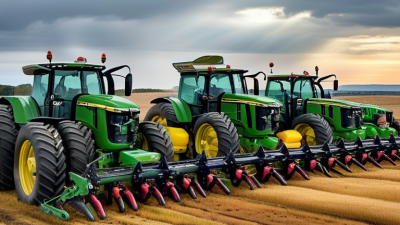
| Utility and Row-Crop Tractors |
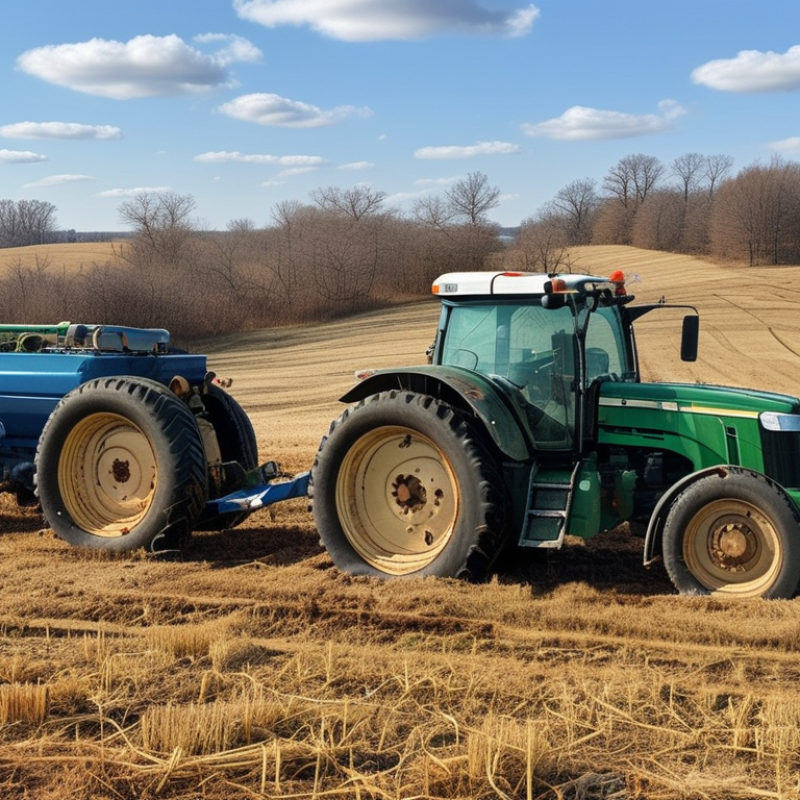
Soil preparation, planting, mowing, material handling, and general farm work in Wyandot County. |
Horsepower, two- or four-wheel drive, transmission type, hydraulic flow, rear hitch category, PTO speed, tire size, operating hours, and cab or open-station configuration. |
Check cold starting, exhaust, oil leaks, hydraulic performance, PTO engagement, three-point hitch movement, tire wear, steering, brakes, lights, and hour-meter consistency. |
Signed purchase agreement, itemized invoice, serial or identification number, lien release if applicable, warranty terms, and payment record. |
Confirm trailer capacity, loading access, bridge and road clearances, unloading surface, fuel level, and safe storage location. |
Operator orientation, scheduled maintenance plan, parts availability, emergency repair contact, and warranty claim procedure. |
Plan early |
| Planters and Seeders |
Planting corn, soybeans, small grains, and cover crops suited to north-central Ohio rotations. |
Row spacing, row-unit count, seed-metering system, fertilizer attachment, closing-wheel setup, hydraulic or mechanical drive, and compatibility with the selected tractor. |
Inspect opener discs, gauge wheels, seed tubes, meters, chains, bearings, frame cracks, fertilizer corrosion, and calibration results. |
Configuration sheet, serial or identification number, included attachments, calibration records, invoice, and warranty or service terms. |
Measure gate width, turning space, storage clearance, transport width, and field access before delivery. |
Meter calibration, setup at the farm, replacement wear parts, preseason inspection, and planting-season troubleshooting. |
Verify fit |
| Tillage Equipment |
Seedbed preparation, residue management, leveling, and soil finishing after harvest or before planting. |
Working width, operating depth, hitch type, transport width, disc or shank spacing, weight, hydraulic requirements, and folding mechanism. |
Check frame alignment, blades or shanks, bearings, scrapers, depth-control components, hydraulic hoses, tires, and weld repairs. |
Bill of sale, equipment identification details, attachment list, inspection notes, and any outstanding finance or lien documentation. |
Confirm transport permit requirements where applicable, road width, field-entry angle, and adequate storage space. |
Initial setup, depth calibration, wear-part schedule, hydraulic inspection, and seasonal service availability. |
Inspect first |
| Hay and Forage Equipment |
Mowing, conditioning, raking, baling, and handling hay for livestock operations and mixed farms. |
Cutting width, bale size, pickup width, moisture-monitoring features, PTO speed, hydraulic outlets, bale-density range, and required horsepower. |
Inspect belts, chains, knives, rollers, pickup teeth, knotter or wrapping system, bearings, PTO shaft guards, and controller operation. |
Service history, serial or identification number, included monitors and tools, invoice, warranty terms, and ownership documentation. |
Provide level unloading space, dry storage, suitable road access, and a plan for protecting electronic controls from moisture. |
Preseason inspection, field adjustment, operator training, spare wear parts, and rapid harvest-season repair support. |
Service critical |
| Grain Handling and Storage Equipment |
Moving, drying, loading, and storing corn, soybeans, wheat, and other harvested grain. |
Conveyor or auger length, throughput, motor size, intake height, moisture-control requirements, bin compatibility, electrical service, and safety shutoffs. |
Check flighting, belts, bearings, guards, grain leaks, electrical connections, fans, screens, ladders, platforms, and corrosion. |
Equipment invoice, motor and electrical documentation, installation scope, warranty information, and any required permits or inspection records. |
Confirm foundation condition, power supply, truck approach, clearance from overhead lines, and safe access for installation. |
Installation, electrical inspection, airflow or capacity testing, lockout procedures, spare parts, and annual preharvest service. |
Coordinate site |
| Sprayers and Fertilizer Equipment |
Applying crop-protection products, liquid fertilizer, and compatible agricultural inputs. |
Tank capacity, boom width, pump output, nozzle spacing, agitation system, rate controller, hose material, filtration, and chemical compatibility. |
Inspect tank integrity, pump seals, hoses, valves, nozzles, boom frame, pressure gauge, controller accuracy, and rinse system. |
Itemized invoice, equipment identification details, calibration record, operating manual, warranty terms, and applicable transport or storage records. |
Provide spill-control materials, secure chemical-free storage, wash-water management, and adequate turning space. |
Calibration, nozzle replacement guidance, leak testing, safe-cleanout procedure, and support for controller setup. |
Calibrate before use |
| Front Loaders and Material-Handling Attachments |
Moving feed, manure, seed, gravel, pallets, and other materials around the farm. |
Lift capacity, lift height, bucket volume, attachment interface, hydraulic flow, counterweight requirements, visibility, and tractor compatibility. |
Check pins, bushings, cylinders, hoses, quick-attach mechanism, bucket cutting edge, frame mounts, and loader-control response. |
Attachment list, serial or identification details, load-rating information, invoice, warranty terms, and compatibility confirmation. |
Confirm machine width, barn-door clearance, loading area, surface strength, and safe route from unloading point to storage area. |
Installation, ballast guidance, operator safety training, hose and pin replacement, and periodic structural inspection. |
Confirm compatibility |
| Used Equipment Sourcing |
Reducing initial capital cost while obtaining practical equipment for established farm tasks. |
Age, operating hours, ownership history, maintenance records, parts support, transport weight, remaining service life, and total repair budget. |
Use an independent inspection when possible; test the equipment under load and compare identification numbers with the sale documents. |
Bill of sale, identification-number verification, lien search or release, tax invoice, warranty statement, and delivery receipt. |
Agree in writing who pays loading, transport, insurance, unloading, and damage claims during transit. |
Obtain a written repair estimate, parts lead times, service intervals, and a contingency plan for downtime during planting or harvest. |
Document fully |
| Purchase Completion |
Finalizing a transaction for delivery to a farm in or near Upper Sandusky, Ohio. |
Confirm final price, taxes, delivery charge, included attachments, payment schedule, acceptance conditions, and estimated delivery date. |
Complete a pre-delivery inspection and record photographs, operating hours, visible damage, missing tools, and accessory serial numbers. |
Signed contract, invoice, payment confirmation, title or ownership record when applicable, warranty document, manuals, and delivery checklist. |
Set a delivery window, identify the receiving person, prepare unloading equipment, and inspect the machine immediately on arrival. |
Record the service contact, first maintenance date, warranty submission route, emergency number, and recommended replacement parts. |
Ready after sign-off |
| Post-Purchase Equipment Support |
Keeping equipment available for planting, spraying, haymaking, harvest, and winter maintenance. |
Maintenance intervals, approved fluids, filter specifications, lubrication points, software or controller updates, storage requirements, and seasonal workload. |
Track operating hours, repairs, parts replaced, calibration results, safety checks, and recurring faults in a written service log. |
Keep invoices, warranty claims, service reports, inspection records, manuals, identification numbers, and proof of ownership together. |
Store equipment on a stable surface, protect electronics and tires, control moisture, and keep access clear for service vehicles. |
Schedule preseason and post-season inspections, maintain critical spare parts, train operators, and review emergency breakdown procedures. |
Review quarterly |