Top Agriculture Farm Equipment Trends for 2026 Buyers Guide?
As we approach 2026, the landscape of agriculture farm equipment continues to evolve rapidly. Innovations driven by technology are reshaping farming practices. According to a recent report by Market Research Future, the global agriculture equipment market is projected to reach USD 212 billion by 2026. This indicates a robust growth trend, but not all advancements are easily adopted by farmers.
Farmers face challenges in integrating new technologies. High costs and a lack of training can hinder the effective use of advanced machinery. A survey by the American Society of Agricultural and Biological Engineers highlights that only 46% of farmers are currently using precision agriculture tools. This reveals a significant gap in technology adoption.
As equipment becomes more sophisticated, farmers must also consider sustainability. Reports from the USDA show that eco-friendly equipment is gaining traction. Yet, the balance between efficiency, cost, and environmental responsibility remains a complex issue. These factors will be crucial as buyers navigate the market for agriculture farm equipment in the coming years.
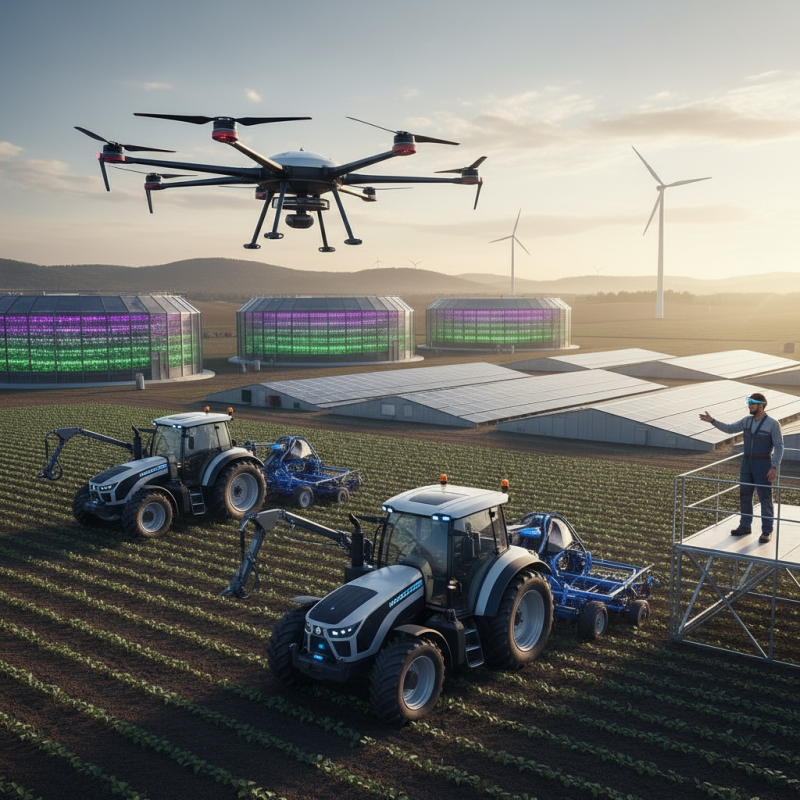
Emerging Technologies in Agriculture Equipment for 2026
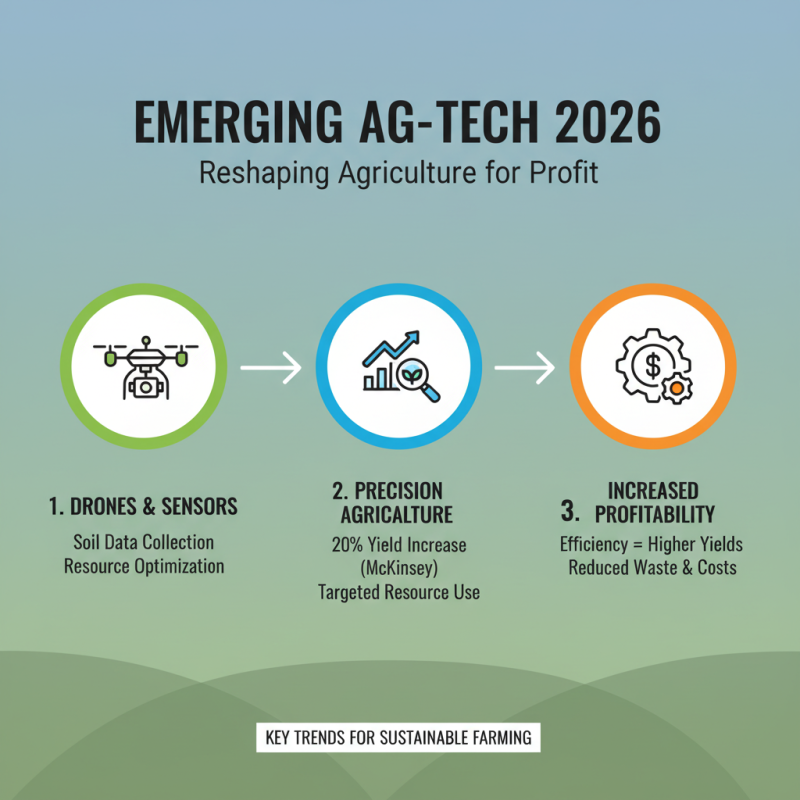
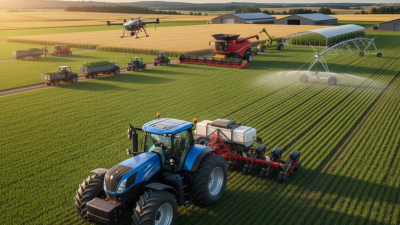
Emerging technologies are reshaping agriculture equipment in 2026. Precision agriculture has become a game-changer. Farmers now utilize drones and sensors to gather data about soil conditions. According to a report by McKinsey, precision farming could increase crop yields by 20% by optimizing resource use. This efficiency directly impacts profitability.
Automation is another significant trend. Robotics in farming tasks reduces labor costs, but also creates new challenges. Workforce displacement is a concern that must be addressed. The demand for skilled operators in advanced agricultural technologies is rising. The report from the World Economic Forum indicates that automation could lead to a 30% efficiency improvement in farm operations.
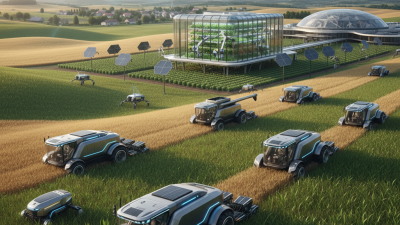
Sustainability is also gaining traction. Innovative equipment that utilizes renewable energy sources is entering the market. Solar-powered tractors reduce dependence on fossil fuels. However, this technology often involves higher upfront costs, which can deter farmers. The balance between initial investments and long-term savings remains a point of reflection. Understanding the long-term benefits will be crucial for 2026 buyers.
Sustainable Farming Practices and Their Impact on Equipment Needs
As sustainable farming becomes crucial, equipment needs are evolving swiftly. Farmers are pivoting toward machines that support eco-friendly practices. According to the latest report, 70% of farmers believe that sustainable practices will require updated technology. This shift includes precision agriculture tools, which optimize resource use and reduce waste.
Investing in equipment that complements sustainable practices can seem daunting. However, simple adaptations can drive efficiency. For example, consider using machinery that allows for variable-rate planting. This technique ensures crops receive the right amount of nutrients. Regular maintenance of existing equipment can also yield longer lifespans and better performance, promoting sustainability without exorbitant costs.
Farmers are increasingly urged to integrate renewable energy solutions. Solar-powered equipment is gaining traction. A study noted that nearly 40% of farms are adopting solar technology to power their operations. This trend reduces reliance on fossil fuels and lowers operational costs. Equipment choices deeply influence sustainability efforts, but thoughtful selections can lead to both savings and environmental benefits. Choose wisely; every decision counts.
Top Agriculture Farm Equipment Trends for 2026 Buyers Guide
| Trend |
Equipment Type |
Sustainable Practices |
Impact on Equipment |
| Precision Agriculture |
GPS-Enabled Tractors |
Soil Health Improvement |
Increases efficiency and reduces waste |
| Automation |
Robotic Harvesters |
Labor Reduction |
Enhances operational scalability |
| Organic Farming |
Bio-based Fertilizers |
Soil Enrichment |
Promotes soil biodiversity |
| Water Conservation |
Drip Irrigation Systems |
Efficient Water Usage |
Reduces water waste |
| Crop Rotation |
Multi-functional Equipment |
Nutrient Management |
Improves soil structure |
Automation and Robotics Trends in Modern Farming Equipment
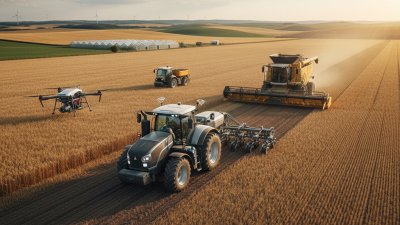
The agricultural industry is experiencing significant changes due to automation and robotics. Modern farming equipment is now integrated with advanced tech that reshapes traditional practices. Automated tractors and drones are becoming common sights. They improve efficiency and accuracy in tasks such as planting and crop monitoring.
Robotics in farming also raises questions. While it streamlines labor, it requires skilled operators who can manage complex systems. The reliance on machines can lead to concerns about job displacement. Additionally, farmers must adapt to new technologies, which can be expensive and time-consuming. It's crucial to balance innovation with traditional farming methods to maintain sustainable practices.
The future of farming equipment will likely involve more sophisticated AI solutions. These systems can predict weather patterns and optimize resource use. Innovations may lead to higher yields and minimized waste. However, growers should remain aware of the potential challenges in embracing these changes. As the industry evolves, understanding both the benefits and drawbacks of automation will be essential.
Top Agriculture Farm Equipment Trends for 2026 Buyers Guide
Data-Driven Decision Making in Agriculture: Tools and Equipment
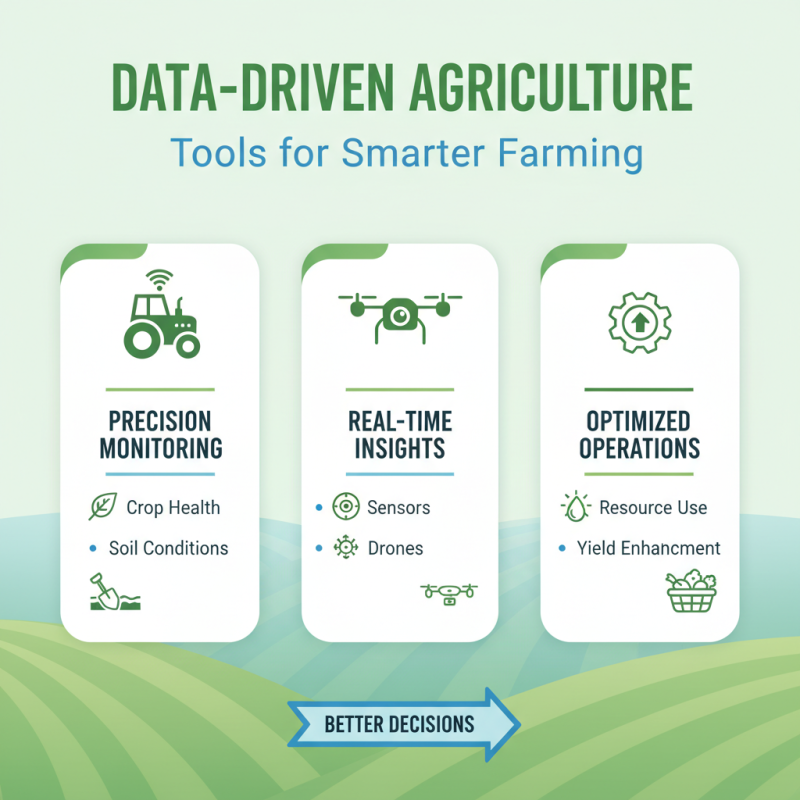
In the evolving landscape of agriculture, data-driven decision-making is crucial. Farmers now rely on various tools and equipment to enhance productivity. These advancements allow for precise monitoring of crop health and soil conditions. Sensors and drones have become common. They provide real-time insights, helping farmers optimize their operations.
Data management systems are increasingly essential. They gather vast amounts of information, which can be overwhelming at times. However, transforming this data into actionable insights is key. Farmers must learn to analyze trends and patterns effectively. This skill can significantly impact yield and resource management.
While technology aids in decision-making, it is not infallible. Human interpretation remains vital in understanding the data's context. Misinterpretation can lead to poor decisions. Farmers should be mindful of over-reliance on technology and invest in training to enhance their analytical skills. Balancing technology and traditional methods could lead to more resilient farming practices.
Key Considerations for 2026 Buyers in Farm Equipment Selection
When selecting farm equipment for 2026, buyers face important considerations. One key aspect is technology integration. Many farmers now seek equipment that incorporates precision farming technology. This includes GPS-guided systems and data analytics. Such tools boost efficiency and yield. However, the learning curve for these technologies can be steep. Farmers may need training to fully utilize these features.
Another consideration is sustainability. Buyers are increasingly looking for equipment that reduces environmental impact. Options like electric-powered machinery and low-emission engines are gaining traction. These choices can lead to long-term savings on fuel and maintenance. Yet, the initial investment can be high. Some equipment might require extensive modifications to fit existing infrastructures.
Costs remain a significant factor. It's essential to evaluate not just the purchase price, but also ongoing operational expenses. Many buyers overlook long-term upkeep. Additionally, sourcing spare parts can be a challenge. It's vital to consider the availability of service and support. Engaging with local experts can alleviate some uncertainties. By weighing these factors, buyers can make informed decisions that align with their farming goals.