What Is Equipment and Parts Sourcing?

Equipment and parts sourcing is the practical process of finding, evaluating, and purchasing machinery, components, and replacement items. It connects operational needs with dependable suppliers, realistic budgets, and measurable quality standards. A factory may need a high-torque motor, a stainless-steel valve, or a simple bearing. Each item can affect safety, uptime, and production costs.

Peter Kraljic, a respected procurement strategist, wrote, “Purchasing must become supply management.” His observation remains relevant. Effective sourcing is not just about finding the lowest price. It involves checking technical specifications, supplier experience, material traceability, delivery capacity, warranty terms, and after-sales support. A reliable buyer may compare three suppliers, request sample documentation, and verify whether a part fits the existing assembly. Small details matter. A mismatched thread can stop an entire production line.

This guide explores how equipment and parts sourcing works in real business settings. It considers supplier discovery, quotation analysis, quality inspection, logistics planning, and risk control. It also explains why long-term supplier relationships can outperform rushed purchasing decisions. Experience shows that the cheapest offer is not always economical. Still, supplier reputation alone cannot guarantee performance. That assumption deserves careful review. Specifications can be unclear, lead times can change, and even experienced teams can overlook compatibility issues.

Good sourcing therefore requires evidence, communication, and disciplined follow-up. Buyers should record decisions, confirm requirements in writing, and assess performance after delivery. The process is not perfect. It improves through testing, feedback, and honest evaluation of what went wrong.
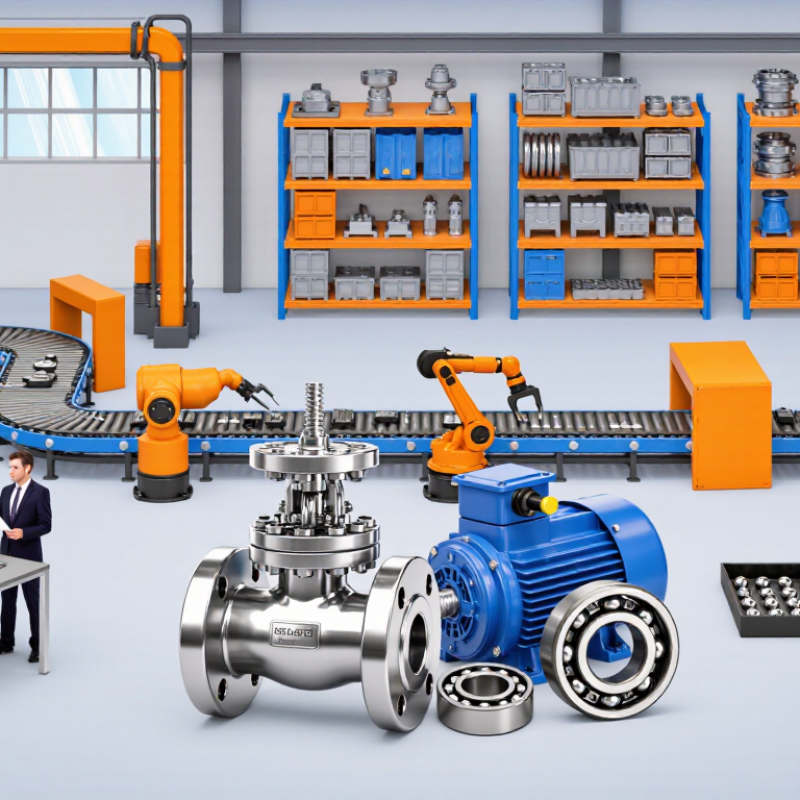
What Is Equipment and Parts Sourcing?

Definition and Scope of Equipment and Parts Sourcing

Equipment and parts sourcing is the process of securing the machines, components, and support services an operation needs. Its scope starts before a purchase order. Teams define performance requirements, operating conditions, dimensions, compatibility, and expected service life. A replacement pump, for example, must fit existing pipework and handle the site’s actual flow and temperature—not just match a catalog description.

Not just buying.

Sourcing also covers supplier assessment, quotations, quality checks, delivery planning, inventory, and access to replacement parts. Buyers compare total cost, including installation, downtime, maintenance, and disposal, rather than focusing only on the quoted price.

Deloitte’s 2023 Global Chief Procurement Officer Survey reported that 72% of procurement leaders said procurement’s influence on enterprise value creation had grown.

That wider role makes sourcing a practical risk-management function, too. A late bearing can stop a production line. A cheaper component may cost more if it fails early.

Good scope varies by equipment criticality. Teams may hold common seals locally but order specialized assemblies against confirmed demand. They should document assumptions and review them when usage or specifications change. No sourcing plan is perfect; supplier data can be incomplete, and forecasts can miss sudden wear. That deserves attention. Clear records of decisions, inspection results, lead times, and part revisions make future choices more reliable.


Key Participants and Their Roles in the Sourcing Process

Equipment and parts sourcing depends on several people making connected decisions. The requester defines the need: a maintenance supervisor might specify a pump seal’s material, dimensions, and delivery deadline. Engineering checks fit and performance. Procurement compares supplier quotes, lead times, and payment terms, then negotiates the purchase. Quality teams verify certificates and inspect samples. Finance confirms budget and payment controls. The handoff is not always clean. A missing drawing can send everyone back a step.

Suppliers contribute more than a price. They confirm stock, disclose production constraints, and flag substitutes before a mismatch reaches the worksite. Logistics teams coordinate packaging, transport, and delivery windows; receiving staff check quantities and damage on arrival. A 2023 global chief procurement officer survey reported that 72% of procurement leaders ranked cost reduction among their top priorities. That pressure makes cross-functional review important, but the lowest quote may hide a longer lead time or a costly fit issue. Small details matter. A buyer who records why an alternate part was accepted gives maintenance and quality teams a useful trail. Teams still miss things, especially when specifications are vague. That deserves review.

What Is Equipment and Parts Sourcing? — Key Participants and Their Roles in the Sourcing Process

Participant Primary Role Typical Inputs Key Activities Typical Outputs
Equipment User or Operations Team Defines the operational need and how the equipment or part will be used. Production requirements, operating conditions, quantity, required delivery date, and site constraints. Describes the application, confirms functional requirements, and reviews whether proposed options are practical for daily operations. Purchase request, use-case details, and operational acceptance criteria.
Maintenance and Reliability Team Identifies maintenance needs and compatibility with existing assets. Asset records, service history, spare-parts lists, failure information, and maintenance procedures. Checks fit, interchangeability, maintainability, spare-parts needs, and any required installation or service support. Technical recommendations, approved part specifications, and maintenance requirements.
Engineering or Technical Team Establishes and validates technical specifications. Drawings, performance requirements, material or dimensional specifications, interfaces, and applicable standards. Reviews technical proposals, clarifies deviations, assesses compatibility, and approves technical documentation. Specification, technical evaluation, and documented approval or rejection of proposed alternatives.
Procurement or Sourcing Team Coordinates supplier selection and commercial purchasing activities. Approved request, specifications, budget guidance, delivery requirements, and sourcing policies. Identifies potential suppliers, requests and compares quotations, negotiates commercial terms, and issues the purchase order. Supplier recommendation, quotation comparison, purchase order, and agreed commercial terms.
Supplier or Manufacturer Offers and supplies equipment, parts, and related product information. Request for quotation, specifications, quantity, delivery destination, and requested schedule. Confirms capability, provides pricing and lead-time information, answers technical questions, and delivers the ordered items with supporting documents. Quotation, order confirmation, product documentation, shipment, and applicable warranty information.
Quality or Inspection Team Verifies that supplied items and documentation meet defined requirements. Purchase order, specifications, inspection criteria, certificates, and supplier quality documents where required. Reviews documentation, performs or coordinates incoming inspection, records discrepancies, and supports corrective actions. Inspection records, acceptance or nonconformance findings, and release recommendations.
Logistics and Freight Providers Arrange the movement and delivery of purchased items. Shipping instructions, package dimensions and weight, delivery address, shipment terms, and required delivery date. Coordinate transport, tracking, shipment documentation, and delivery scheduling; communicate delays or transit issues. Shipping records, tracking updates, delivery confirmation, and applicable transport documents.
Warehouse or Receiving Team Receives, records, and stores delivered equipment and parts. Purchase order, delivery notice, packing list, and storage or handling requirements. Checks received quantities and visible condition, records receipt, identifies items, and stores them under suitable conditions. Goods-received record, inventory update, and notification of shortages or damage.
Finance or Accounts Payable Controls purchasing expenditure and processes supplier invoices. Purchase order, receipt confirmation, invoice, budget details, and agreed payment terms. Checks invoice details against purchasing and receipt records, applies approval controls, and schedules payment. Invoice approval or query, expenditure record, and payment processing.
Legal, Safety, or Compliance Support Advises on applicable contract, safety, regulatory, and trade requirements. Product specifications, proposed contract terms, destination, intended use, and applicable regulatory requirements. Reviews relevant terms and documentation, identifies compliance obligations, and advises on required approvals or controls. Contract or compliance review, required documentation checklist, and risk guidance.

How Equipment and Parts Sourcing Works Step by Step

Equipment and parts sourcing turns an operational need into a purchase that fits the job, budget, and maintenance schedule. The process starts by defining the requirement: equipment capacity, dimensions, operating conditions, and any part numbers or approved equivalents. A maintenance team might measure a worn pump shaft and photograph its connection points before requesting quotes. Small details prevent costly mismatches. Details matter.

With specifications in hand, identify potential suppliers and ask for itemized quotes, lead times, warranty terms, and available technical documents. Compare more than the unit price. Check whether the supplier can provide inspection records, material details, or a sample when the application calls for closer review. Then verify. One estimate may still leave questions, so clarify substitutions and delivery assumptions in writing. A low quote is not useful if the component arrives too late or does not fit.

Before placing an order, confirm quantities, shipping arrangements, and acceptance criteria. For critical equipment, agree on checks such as dimensions, operating tests, or packaging condition. Track the order against the required installation date and inspect items on arrival. Delays happen. Record any discrepancy and contact the supplier promptly, while keeping the original specifications and purchase documents together. This creates a clearer trail for future reorders, though sourcing plans sometimes need adjustment when real-world conditions change.

Major Factors for Evaluating Suppliers and Components

Equipment and parts sourcing means choosing suppliers and components that keep machines dependable, maintainable, and available. A low unit price can hide costly delays, inconsistent tolerances, or long replacement lead times. Evaluate total landed cost, documented quality controls, production capacity, delivery performance, and access to technical support. Check whether a supplier can provide material certificates and traceable batch records. Small details matter: a connector that fits poorly can stop an entire assembly line.

Component reviews should match real operating conditions. Compare drawings and specifications, then inspect samples for fit, finish, and dimensional variation. Ask suppliers how they handle defects and production changes. Track first-pass acceptance, on-time delivery, and corrective-action closure over time. A polished presentation is not proof of stable output. A spreadsheet rarely tells the whole story.

Resilience matters, too. A 2020 McKinsey survey of supply-chain executives found that 93% planned to make their supply chains more resilient, while 44% planned to regionalize them. These figures signal a broad shift, not a guarantee that local sourcing is always better. Compare the risks of single-source dependence with the extra costs of qualified alternatives. Keep one practical question open: can the component still be replaced when its design, material, or demand changes?

What Is Equipment and Parts Sourcing? — Major Factors for Evaluating Suppliers and Components

How to read this chart: These illustrative weights show how a sourcing team might prioritize supplier and component evaluations. Adjust them to match your equipment requirements, risk tolerance, and operating environment. Consider quality and compliance, total cost of ownership, delivery reliability, technical fit, availability, and lifecycle support together.

Common Challenges, Risks, and Sourcing Solutions

Equipment and parts sourcing means finding, evaluating, and purchasing the machinery and components needed to keep operations running. The challenge is not simply finding a low price. A part with the wrong tolerance can delay installation, while a single-source supplier can leave a production line waiting. Lead times, changing specifications, quality variation, and limited visibility into sub-tier suppliers add further risk. Small details matter. McKinsey’s 2020 survey of supply-chain executives found that 93% planned to make their supply chains more resilient, reflecting the importance of sourcing flexibility.

Practical controls start with clear drawings, revision numbers, acceptance criteria, and delivery requirements. Qualify suppliers against documented quality records, production capacity, and traceability; inspect samples before approving larger orders. Compare total landed cost, not just the quoted unit price, and track lead-time changes against actual delivery history. For critical components, consider qualified alternative suppliers and modest safety stock, based on demand and storage costs. These measures reduce exposure, but they cannot remove every disruption. No plan is flawless.

Tips: Keep a dated list of critical parts, approved suppliers, and realistic replenishment times. Recheck it after design changes or repeated late deliveries. A spreadsheet can help, though someone must keep it current.