Top 5 Agricultural Equipment Repair Tips You Need to Know?
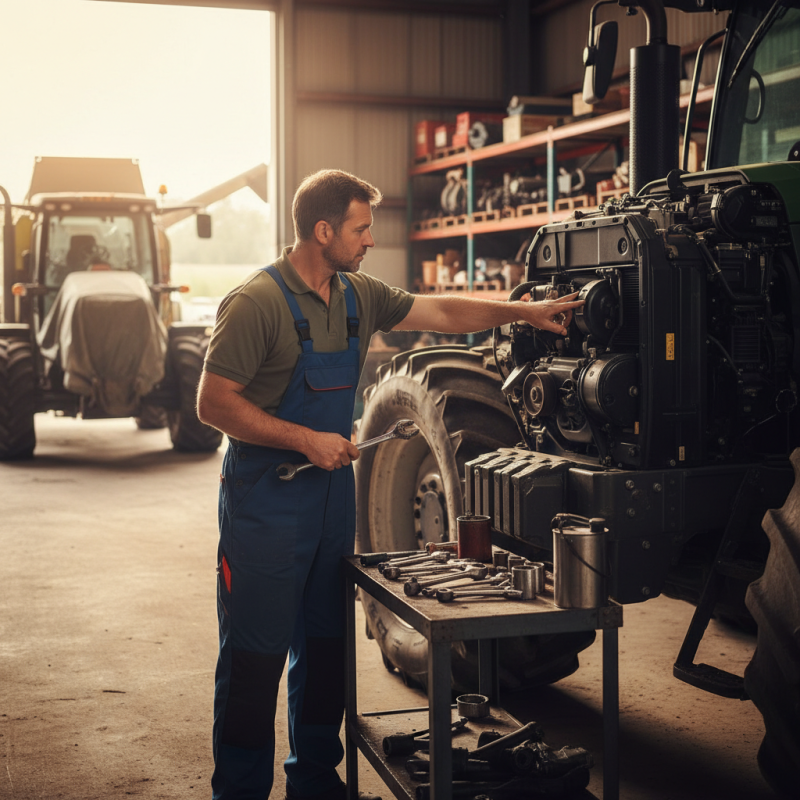
Agricultural equipment repair is crucial for maintaining productivity on the farm. Proper maintenance can prevent unexpected breakdowns. Farmers often rely on machines daily, making downtime costly.
Many people overlook basic upkeep tasks. Regular inspections can identify potential issues early. Simple fixes often save time and money in the long run. Each delay adds stress and raises repair costs significantly.
Understanding common repair tips can help. Familiarity with your equipment is key. Knowing when to seek professional help is also important. Embracing a proactive approach will lead to better results. Neglect often leads to bigger problems down the road.
Essential Safety Precautions Before Starting Equipment Repairs
Before diving into equipment repairs, safety must be your top priority. Always wear appropriate protective gear. This includes gloves, goggles, and sturdy footwear. Inspect your workspace for hazards. A cluttered environment can lead to accidents, so ensure your area is organized.
When working on large machinery, ensure it's powered down. Disconnect the battery to minimize electrical risks. Use tools designed for specific tasks. A wrong tool can lead to injuries or damage. Be cautious with sharp or heavy equipment. Every repair carries risks, and awareness can prevent injuries.
Another vital tip is to plan your repairs efficiently. Identify the specific issues before beginning work. Sometimes, it’s easy to overlook small but critical problems. After repairs, double-check your work. Rushing can cause mistakes that may lead to bigger issues later. Reflect on your approach and always think safety first. The effort you put into precaution will pay off in the long run.
Top 5 Agricultural Equipment Repair Tips
Understanding Common Agricultural Equipment Issues and Solutions
When dealing with agricultural equipment, understanding common issues is vital. Farmers often face problems like engine failure or hydraulic leaks. These issues can lead to costly downtime. Regular inspections can help identify these problems early. Pay attention to unusual noises or performance drops. These signs can indicate a deeper issue needing attention.
Another common issue is tire wear. Over or under-inflated tires can cause uneven wear. Inspect tire pressure frequently. Ensure they are aligned properly. Ignoring tire maintenance can lead to accidents. Small adjustments can save money in the long run. It's not just about fixing what's broken, but preventing future problems.
Cleaning equipment after use is often overlooked. Mud and debris can cause rust and damage over time. A simple wash can prolong the life of your machinery. Additionally, remember to check fluid levels frequently. Low fluids can lead to serious mechanical failures. Taking time to address these small tasks can make a big difference.
Top 5 Agricultural Equipment Repair Tips You Need to Know
| Tip No. |
Repair Tip |
Common Issues |
Solutions |
| 1 |
Regular Maintenance Checks |
Worn-out parts |
Schedule monthly inspections |
| 2 |
Keep Equipment Clean |
Dirt accumulation |
Wash after each use |
| 3 |
Check Fluid Levels |
Overheating |
Top off fluids before operation |
| 4 |
Inspect Belts and Hoses |
Cracks and leaks |
Replace if damaged |
| 5 |
Store Equipment Properly |
Weather exposure |
Use a shelter or cover |
Step-by-Step Guide to Diagnosing Equipment Failures
Diagnosing equipment failures in agriculture can save time and money. Start by observing
unusual sounds or vibrations. These signs often indicate underlying issues. For example,
if your tractor runs loudly, it may need a simple oil change.
Pay attention to details. Noticing small issues early can prevent major breakdowns later.
Tip: Regularly check fluid levels. Low engine oil or coolant can lead to severe damage.
Another crucial step is inspecting belts and hoses. Cracks or wear can signal that
replacements are necessary. Don't overlook these elements. They may seem minor, but
they play a significant role in overall equipment health.
Take time to perform visual inspections. Look for leaks or corrosion. If you see anything
unusual, don't just ignore it. Address it promptly. Sometimes you need a simpler fix than
you think. Consider that the problem might be a loose bolt
rather than a failed part. Reflect on previous repairs too. Learning from past mistakes can
improve your troubleshooting skills greatly.
Essential Tools and Parts for Effective Agricultural Repairs
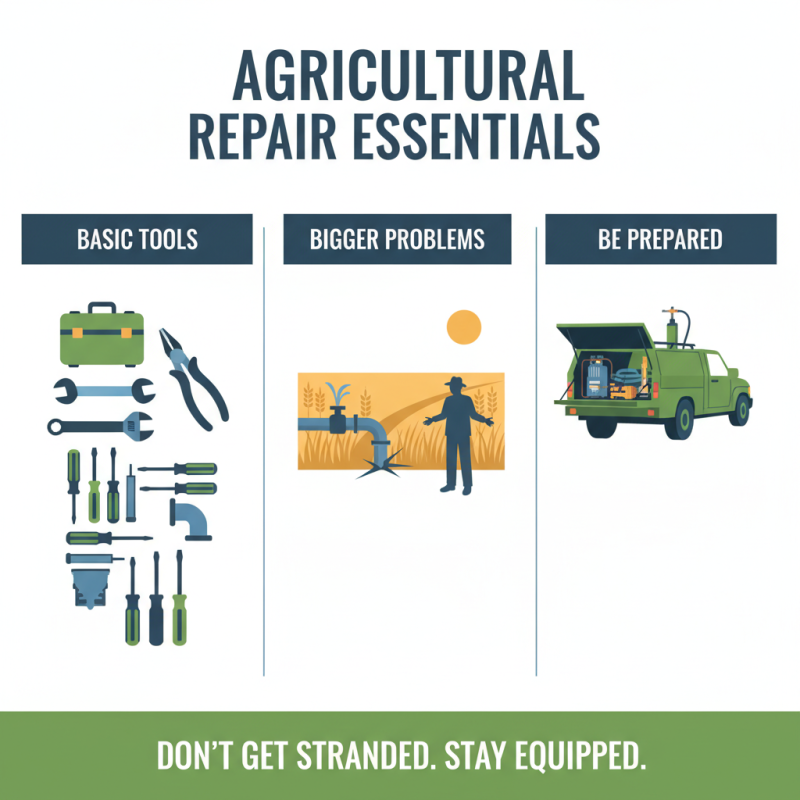
When it comes to agricultural repairs, having the right tools is crucial. Essential items include a sturdy toolbox, wrenches, and pliers. A good collection of screwdrivers plays a key role, too. These tools can handle minor issues, but what about larger problems? You might find yourself in the middle of a field with a broken irrigation system and no way to fix it. That’s why always being prepared matters.
In addition to tools, spare parts should be readily available. Belts, filters, and hoses are often needed during repairs. Keeping these extras on hand can save precious time. It’s frustrating to wait for a shipment mid-harvest. Consider creating a checklist for regular maintenance to avoid these situations. It sounds simple, yet many overlook the importance of preemptive care. Reflect on past repairs; what could have been done better?
Regular Maintenance Tips to Extend Equipment Lifespan
Regular maintenance is key to extending the lifespan of agricultural equipment. Simple tasks can make a big difference.
Change the oil regularly to keep the engine running smoothly. Check the hydraulic fluid levels frequently.
Low fluid can lead to serious issues. Keeping your equipment clean helps prevent rust and damage.
It’s easy to overlook this, but dirt buildup can cause significant wear.
Another important aspect is inspecting belts and hoses. These parts wear out over time.
Cracks or fraying can lead to failure during crucial operations. Replace damaged components promptly.
It’s better to spend time on upkeep than to face a costly breakdown.
Adjusting the equipment to fit your specific needs makes it perform better.
Following the manufacturer’s guidelines is essential, though you must also pay attention to how it operates in real situations.
Don’t forget about the battery. Corrosion can undermine its performance.
Clean battery terminals regularly. Remember that even with the best care, things can go wrong.
Sometimes, equipment may still fail despite regular checks. It’s important to learn from these moments.
Understanding your equipment’s unique characteristics can help you respond better next time.