How to Source Equipment and Parts for Global Procurement?
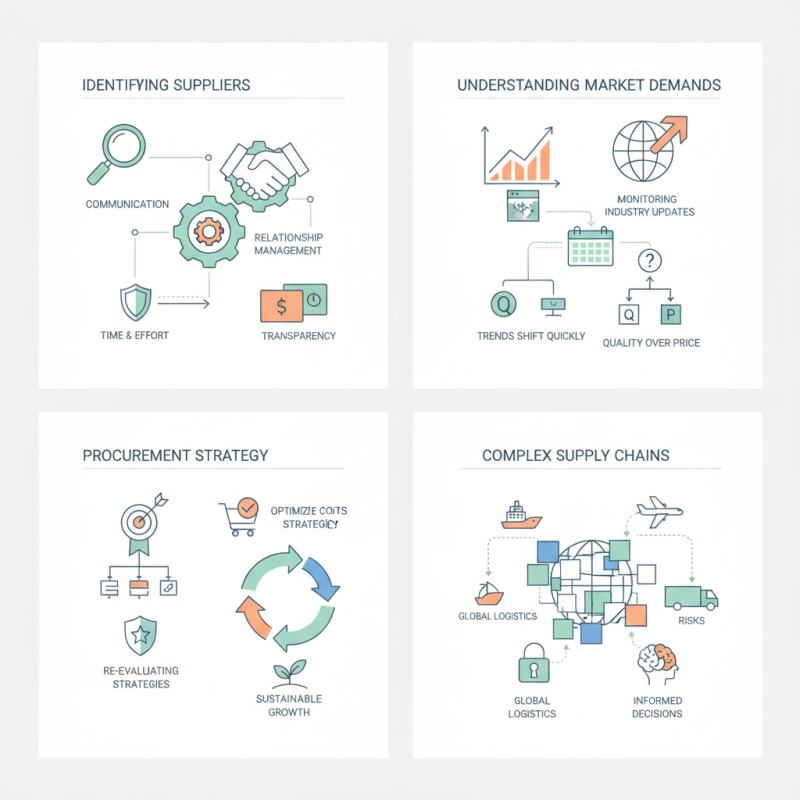
In today's global market, sourcing equipment and parts is critical for success. Companies must navigate complex supply chains to acquire the best products. An effective procurement strategy ensures quality while optimizing costs.
Identifying reliable suppliers is a primary concern. Communication and relationship management play essential roles. Building trust is vital, yet it often takes time and effort. Transparency in pricing and delivery timelines can eliminate misunderstandings.
Understanding market demands is equally important. Trends can shift quickly, impacting availability. Regularly monitoring industry updates helps in making informed decisions. Every choice carries risks, and reevaluating strategies is crucial for sustainable growth. Prioritizing quality over price is often a necessary reflection.
Identifying Global Suppliers for Equipment and Parts Procurement
Identifying global suppliers for equipment and parts procurement can be a challenging task, yet it's vital for businesses aiming to optimize their supply chains. A recent report by the Global Supply Chain Institute highlights that 80% of procurement managers struggle with finding reliable international partners. This statistic underscores the importance of a robust strategy for sourcing.
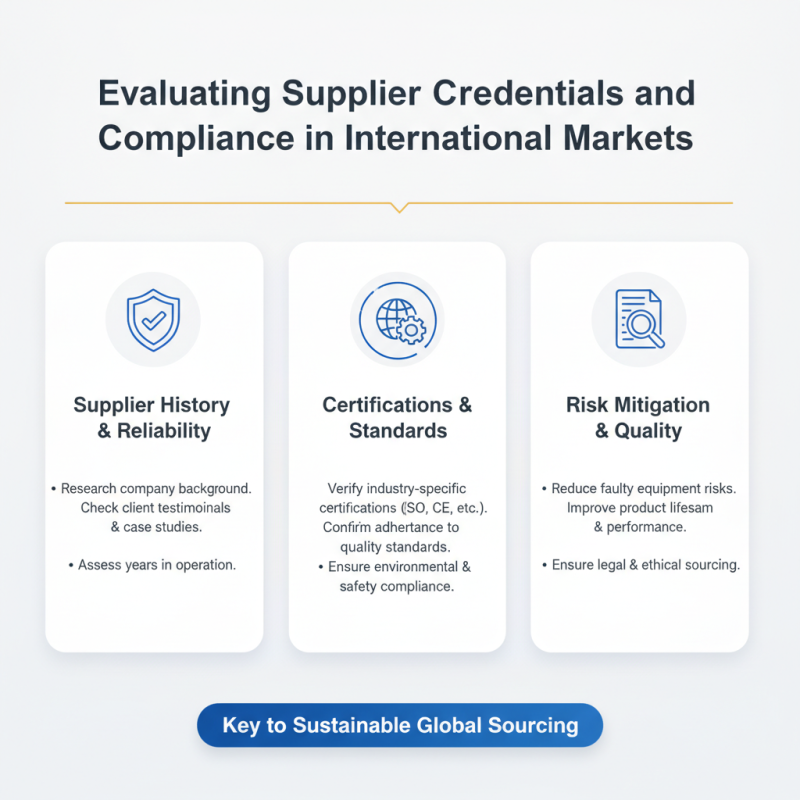
When searching for suppliers, companies should prioritize areas known for manufacturing excellence. Asia, particularly countries like China and India, leads in providing a variety of equipment. However, it's essential to perform due diligence. The International Trade Administration advises evaluating suppliers based on their reputation, financial stability, and compliance with international standards. 70% of procurement professionals mention that thorough background checks are crucial for avoiding future disruptions.
Engagement with global networks can also enhance supplier identification. Platforms like trade shows and online marketplaces offer valuable insights. However, these channels can be overwhelming. It's not uncommon for organizations to overlook smaller suppliers who may offer innovative solutions. Balancing between established and emerging suppliers is key for creating a diverse and resilient supply chain. Ignoring this aspect may lead to missed opportunities.
Global Procurement: Sourcing Equipment and Parts
Understanding Logistics and Shipping Considerations for Global Sourcing
When sourcing equipment and parts globally, logistics and shipping are crucial. Understanding the various shipping methods is essential.
Air freight is faster but often more expensive than ocean freight. Each option has pros and cons, affecting your budget and timelines.
Customs regulations also impact how smoothly shipments move across borders.
It’s vital to stay updated on these laws to avoid delays and penalties.
Packaging plays a pivotal role in logistics. Proper packaging reduces damage during transit.
It also ensures compliance with international shipping standards. Consider whether your materials need special handling or temperature control.
This can add complexity but is necessary for preserving quality.
Another aspect to reflect on is supplier reliability. Always vet potential suppliers thoroughly. A lower price may seem attractive but could hide issues down the line, such as inconsistent quality or delayed delivery.
It's imperative to develop strong relationships with trustworthy suppliers.
Balancing cost with reliability is a constant challenge in global procurement.
Emphasizing communication can help bridge any gaps.
Negotiating Contracts and Terms with International Suppliers
Negotiating contracts with international suppliers can be complex yet rewarding. Understanding cultural nuances is essential. Different countries may have distinct negotiation styles. Researching these aspects helps in approaching negotiations more effectively.
Clear communication is vital. Language barriers can lead to misunderstandings. Hiring a skilled translator can resolve this issue. This investment ensures that both parties grasp contract details thoroughly. Additionally, developing a strong rapport builds trust. This approach often leads to better terms.
Pricing structures vary globally. Be prepared to discuss costs, including shipping and tariffs. Consider offering flexible payment options to facilitate smoother transactions. Reflect on past deals. Analyzing successes and failures aids in refining negotiation strategies. Balancing diligence and adaptability can lead to fruitful outcomes in your procurement efforts.
Leveraging Technology for Efficient Global Procurement Management
In today's fast-paced global market, sourcing equipment and parts efficiently is a challenge. Technology plays a vital role in streamlining procurement processes. According to a report by Deloitte, 79% of companies that invest in digital tools for procurement see significant productivity gains. Leveraging technology allows organizations to access real-time data, facilitating better decision-making.
Automation can reduce manual errors in procurement. For instance, automated systems can track inventory levels and forecast demand more accurately. This approach minimizes overstock and stockouts. A survey from McKinsey reveals that firms using analytics in procurement can reduce costs by around 10-15%. However, not all organizations fully utilize these tools.
Many companies still rely on outdated methods. Resistance to change remains a concern among procurement teams. It's critical to address the skill gaps in digital capabilities. Training and upskilling can ensure successful technology adoption. Ignoring these aspects might lead to missed opportunities in competitive advantage. Balancing human expertise with technology enhances procurement efficiency.