How to Optimize Fermentation with Floating Lid for Better Results?
Fermentation is an essential process in various food and beverage production. Optimizing fermentation with a floating lid can yield remarkable results. This technique is gaining popularity among brewers and fermentors alike. By improving oxygen retention, fermentation with a floating lid enhances the quality and flavor of the final product.
The floating lid acts as a barrier. It minimizes oxygen exposure while allowing gas release. This balance is crucial for preventing oxidation. Oxidation can lead to off-flavors and spoilage. Users often overlook the importance of this balance, leading to inconsistent brewing outcomes.
Attention to detail is vital. A well-designed floating lid should fit securely. Regular checks can prevent leaks, a common issue in fermentation. Learning from failures is part of the journey. Experimentation and adjustments will lead to better techniques. Fermentation with a floating lid is not just a method; it is a craft that requires dedication and practice.
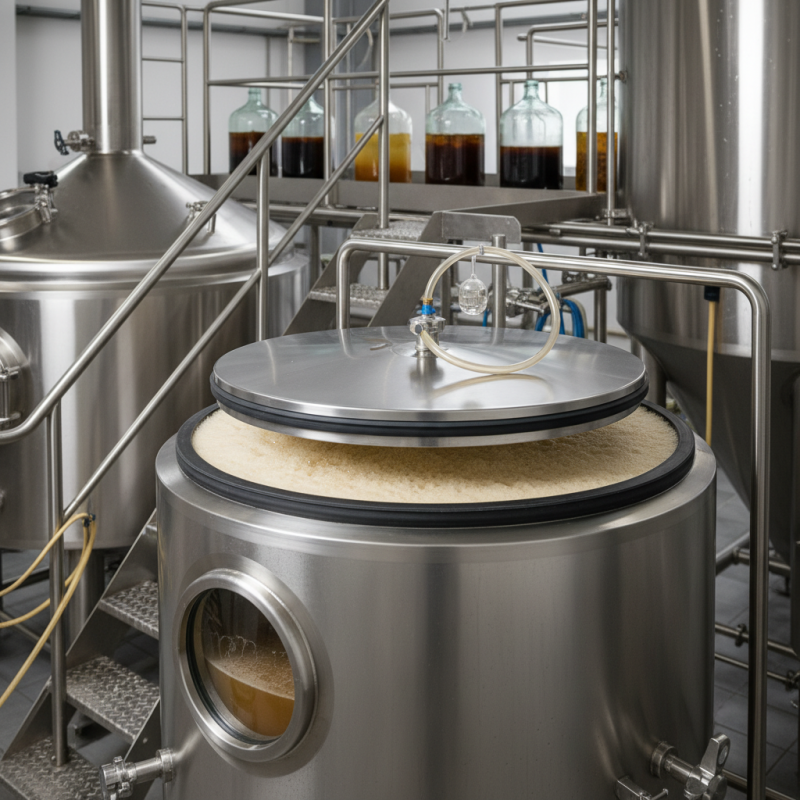
Understanding the Importance of Fermentation in Food Production
Fermentation plays a crucial role in food production. It transforms raw ingredients into flavorful, nutrient-rich products. This ancient technique enhances shelf life and safety by suppressing harmful bacteria. Common examples include yogurt, sauerkraut, and bread. Each product showcases the magic of fermentation, as it alters textures and flavors in remarkable ways.
However, optimizing fermentation is not always straightforward. Factors such as temperature, time, and air exposure can affect the outcome. A floating lid can manage airflow, leading to better fermentation conditions. With proper application, it enhances the fermentation process, resulting in tasty products. Yet, achieving perfection can be challenging; sometimes, experiments lead to unexpected flavors or textures.
Crafting fermented foods is as much art as science. Each batch teaches something new, and there’s always room for improvement. Observation and adjustments are key. It’s essential to reflect on each fermentation attempt. By doing so, we can learn what works best. The journey of mastering fermentation is ongoing and filled with surprises.
Overview of Floating Lid Technology in Fermentation Processes
Floating lid technology is revolutionizing fermentation processes. This method involves a lid that floats on the surface of the fermentation medium. According to a study published by the International Journal of Food Science, using floating lids can enhance gas exchange and prevent excessive foaming. Improved gas exchange leads to better yeast activity, crucial for optimal fermentation.
Another report from the American Society of Brewing Chemists highlights that floating lids can reduce evaporation, maintaining a stable temperature. This stability is vital. It allows yeast to work efficiently, producing higher alcohol yields. However, some operators may find maintaining the right balance challenging. Overly tight seals can create pressure issues, while loose lids may allow contaminants.
Data indicates that Fermentation with floating lids can shorten the fermentation cycle by 10-20%. Despite these benefits, some brewers remain skeptical. They worry about potential complications with equipment maintenance. Addressing these concerns is essential for widespread adoption. Continued research is needed to optimize floating lid designs for various fermentation needs.
How to Optimize Fermentation with Floating Lid for Better Results? - Overview of Floating Lid Technology in Fermentation Processes
| Parameter | Description | Value | Advantages |
| Oxygen Control | Regulates oxygen levels in fermentation | Optimal range: 0.5-2.0% O2 | Promotes anaerobic conditions for yeasts |
| Temperature Control | Maintains consistent fermentation temperature | Target range: 18-24°C | Improves fermentation efficiency |
| pH Level | Monitors and adjusts pH during fermentation | Ideal pH: 4.0-5.0 | Enhances flavor and aroma profile |
| Fermentation Duration | Time taken for fermentation to complete | Average: 1-2 weeks | Ensures complete conversion of sugars |
| Yeast Strain | Type of yeast used for fermentation | Saccharomyces cerevisiae | High fermentation efficiency and flavor |
Key Benefits of Using Floating Lids for Fermentation
Floating lids have become a popular tool for optimizing fermentation processes. They offer several key benefits that can significantly enhance the quality of your homemade brews. One major advantage is how they help in managing CO2 release. Fermentation naturally produces carbon dioxide, and floating lids allow for controlled gas escape, preventing pressure buildup. This limits the risk of blowouts and maintains a stable environment.
Another noteworthy benefit is improved temperature control. Floating lids create an air gap, which acts as an insulator. This can help maintain the desired fermentation temperature, reducing fluctuations that could harm yeast performance. Proper temperature helps yeast thrive, leading to better flavor and aroma profiles in your final product. Plus, the lids reduce oxidation, which is crucial for the preservation of delicate flavors.
However, using floating lids isn't without challenges. It may require some experimentation to find the right balance. For instance, too tight a fit can hinder gas exchange. Conversely, a loose fit might let unwanted contaminants in. Each fermentation setup is unique, thus monitoring closely can lead to optimal conditions. Ultimately, the advantages of floating lids outweigh these concerns for many home brewers looking to elevate their fermentation game.
Step-by-Step Guide to Implementing Floating Lids
Implementing a floating lid in fermentation can enhance the process significantly. This method helps minimize oxygen exposure, which is crucial for anaerobic fermentation. Research indicates that optimal fermentation conditions can increase yield by up to 20%. To successfully use a floating lid, first, ensure that the lid fits tightly. It should sit just above the liquid surface, allowing for gas exchange while preventing oxidization.
Next, monitor the fermentation temperature closely. An ideal range is typically between 18°C to 22°C, based on many fermentation studies. A deviation can lead to undesirable microbial activity, affecting flavor and aroma. The floating lid technique enables better temperature stability. It also offers a layer of protection from contaminants, reducing the risk of spoilage.
However, it’s essential to remain flexible and observant during the process. Sometimes, the lid may not seal perfectly, allowing unwanted oxygen in. This can lead to off-flavors or altered fermentation dynamics. Regularly check the lid's position and the fermentation’s smell. Develop a routine of documentation to track changes and outcomes. This way, you can adjust your methods based on specific needs and responses from the fermentation environment.
Fermentation Efficiency with Floating Lid
Troubleshooting Common Issues in Floating Lid Fermentation
Floating lid fermentation can offer better results, but it also presents its own set of challenges. One common issue is improper sealing. When the lid does not create an airtight seal, oxygen enters the fermentation vessel. This can lead to unwanted aerobic bacteria growth and spoilage. Always check for gaps or misalignments before starting your fermentation.
Another frequent problem is temperature control. Floating lids can create an insulated environment, but they might also trap heat. Elevated temperatures can cause the yeast to behave unpredictably. You might notice off-flavors or even a stalled fermentation. Consider using temperature monitoring tools to keep an eye on conditions.
Lastly, sediment management can be tricky. With a floating lid, sediment tends to build up underneath. This may hinder yeast activity over time. Regularly check for sediment levels and consider racking your brew to encourage better fermentation. Reflection on these issues will enhance your brewing experience and outcomes.