How to Optimize Automated Warehouse System for 2026 Canton Fair?
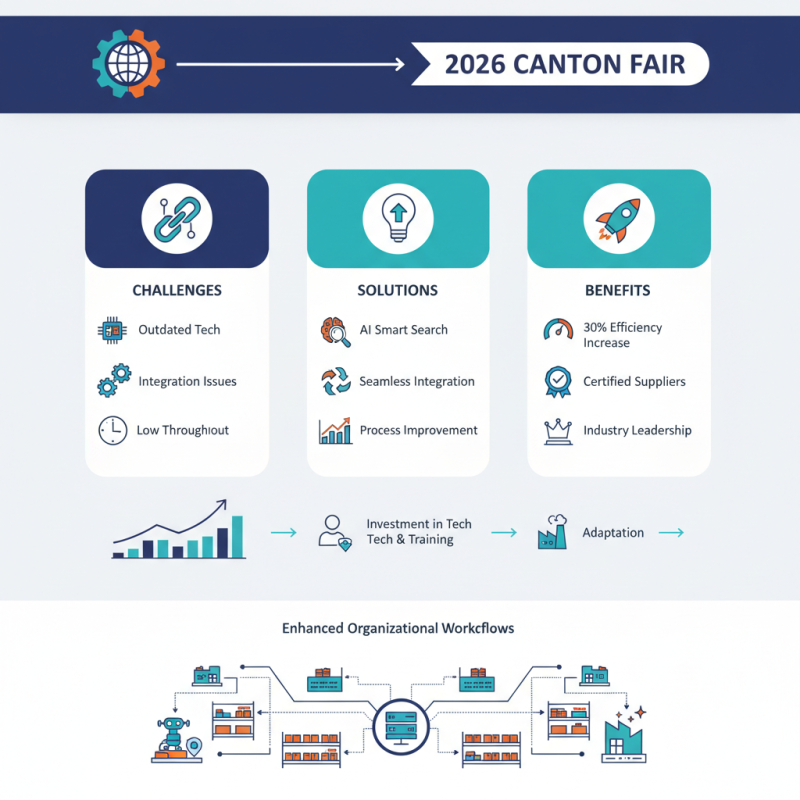
As the 2026 Canton Fair approaches, optimizing the Automated Warehouse System becomes essential. The fair will showcase advanced manufacturing, electronics, and more, spanning 1.55 million square meters. With AI smart search and navigation, buyers can efficiently identify suppliers with specific qualifications, like ISO and CE certifications.
Automated systems have shown a 30% increase in efficiency in logistics operations, according to industry reports. However, many warehouses still face challenges. For instance, outdated technologies can hinder throughput. Increasing automation does not always guarantee increased performance without proper integration.
To succeed, warehouse operators must address individual system shortcomings. A seamless integration of AI can enhance organizational workflows but requires investment in both technology and training. Reflection on existing processes may reveal areas needing improvement before the fair. Companies that adapt quickly will stand out as leaders in this evolving landscape.
Overview of the 2026 Canton Fair and Its Logistics Challenges
The 2026 Canton Fair is set to be a major event for global trade. However, it comes with significant logistics challenges. With a high volume of products and participants, the efficiency of automated warehouse systems is crucial. These systems must manage inventory effectively to avoid delays. Speed and accuracy in processing orders will be essential.
One challenge is the space limitation in warehouses. As the number of exhibitors grows, storage capacities may become stretched. Improper management can lead to bottlenecks, delaying deliveries. Operators might need to rethink their strategies for space optimization. They can consider flexible storage solutions or advanced technologies to alleviate some pressure.
Another concern is workforce training. Automation relies heavily on skilled personnel. If workers are not adequately trained, mishaps can occur. Mistakes in order picking or inventory counts can affect overall efficiency. Continuous training programs for staff are vital to ensure seamless operations. Optimization is not perfect; there’s always room for improvement and adaptation in such a dynamic environment.
Key Features of Automated Warehouse Systems for Fair Optimization
Automated warehouse systems can play a crucial role in optimizing operations for the 2026 Canton Fair. These systems enhance storage efficiency and speed up order fulfillment. Key features include advanced inventory management and real-time data processing. Such capabilities allow businesses to streamline their workflows significantly.
Tips: Invest in robust inventory tracking. This minimizes errors and enhances accuracy. Prioritize systems that provide real-time analytics. It enables timely decision-making to respond to market demands rapidly.
Another feature is the integration of robotics for material handling. Automated guided vehicles (AGVs) can transport goods swiftly and safely. This reduces labor costs but requires constant monitoring. Operational efficiency may improve, but potential technical issues can arise.
Tips: Ensure you have a backup system. Regular maintenance is essential to avoid downtime. Train your staff on troubleshooting basic problems. This can lead to smoother operations during peak times like the Canton Fair.
Strategies for Enhancing Efficiency in Automated Warehousing
The 2026 Canton Fair presents a unique opportunity to enhance automated warehousing. Efficiency in these systems is crucial. A report by the McKinsey Global Institute reveals that automation can boost productivity by up to 30%. However, challenges remain. Integrating new technologies often leads to disruptions and employee resistance.
Data from Statista indicates that the warehousing automation market is expected to reach $30 billion by 2026. To thrive, companies should focus on employee training and engagement. Automating processes is not a replacement for human skills. Involving staff in the transition can reduce friction. It is vital to identify bottlenecks, streamline workflows, and leverage data analytics. Companies utilizing data-driven insights can predict inventory needs better.
Continuous improvement is essential. Regular assessments help target inefficiencies. Automated systems do not operate flawlessly; adjustments are often necessary. Some firms struggle with scalability. Balancing automation with flexible processes can enhance productivity. The goal is to create a responsive supply chain that can adapt to market changes swiftly.
Technological Innovations to Consider for Future-Ready Warehouses
As the 2026 Canton Fair approaches, optimizing automated warehouse systems becomes critical. One key innovation lies in implementing AI-driven inventory management. These systems can predict demand and optimize stock levels, reducing waste and improving efficiency. Companies need to embrace real-time data analysis to better understand trends. However, staff training becomes essential to ensure smooth operations with these advanced systems.
Another interesting innovation is the use of robotics for order picking and packing. This can speed up the fulfillment process significantly. Collaborative robots, or cobots, can work alongside human workers, enhancing productivity. Yet, there are challenges in integrating these robots into existing workflows. Companies may need to rethink their layout to accommodate new technologies.
Moreover, sustainability plays a vital role in future-ready warehouses. Utilizing energy-efficient systems can drastically cut operational costs. Exploring solar energy options may be beneficial, but initial investments can be daunting. Each warehouse may require a tailored approach to meet specific needs. Balancing innovation and practicality is essential for success.
How to Optimize Automated Warehouse System for 2026 Canton Fair?
| Dimension | Description | Current Trends | Future Innovations |
| Robotics | Automated systems using robotic arms for picking and packing. | Increased adoption of collaborative robots (cobots). | Integration of AI for smarter decision-making. |
| Artificial Intelligence | AI algorithms for demand forecasting and inventory management. | AI-driven analytics optimizing warehouse operations. | Predictive maintenance using machine learning models. |
| Internet of Things (IoT) | Use of connected sensors for real-time inventory tracking. | Enhanced visibility of inventory levels. | Smart warehouses with automated stock replenishment. |
| Warehouse Management Systems (WMS) | Software solutions for optimizing warehouse operations. | Cloud-based WMS adoption increasing. | Integration with e-commerce platforms for seamless operations. |
| Sustainability Practices | Eco-friendly solutions aimed at reducing waste and energy use. | Energy-efficient equipment gaining traction. | Circular economy principles applied in logistics. |
Best Practices for Training Staff on Automated Systems During the Fair
Training staff on automated systems is crucial for the upcoming 2026 Canton Fair. Proper training enhances efficiency and reduces errors. Staff should understand operation protocols clearly. Hands-on experience is essential. Simulated training sessions can help. Creating real-life scenarios makes learning engaging.
During the preparation, some challenges may arise. Staff might struggle with new technologies. Some may need more time to adapt. Adjusting training methods can be beneficial. Offering additional support and resources helps address these issues. Keep training sessions interactive and encourage questions.
Regular feedback is vital. This ensures staff feel confident with the automated systems. Management should monitor staff performance closely. Identifying areas for improvement early can prevent issues during the fair. Employees can adapt and innovate with the right guidance.