Why Choose Freeze Dried Fruits for Healthy Snacking?
In the quest for healthy snacking, many turn to Freeze Dried Fruits. These nutrient-dense snacks have gained popularity for their convenience and taste. Renowned nutritionist Dr. Emily Carson emphasizes their value, stating, "Freeze Dried Fruits retain the essence of fresh produce without the added sugars." This makes them an excellent choice for health-conscious individuals.
Freeze Dried Fruits are made through a unique process that removes moisture while preserving flavor. This method ensures that they maintain most of their vitamins and minerals, making them more beneficial than conventional snacks. Imagine biting into a crispy strawberry that bursts with rich flavor, offering a quick energy boost.
Yet, despite their appealing qualities, some may overlook their potential drawbacks. Not all Freeze Dried Fruits are created equal. It's essential to check labels for added ingredients or sugars. Balancing convenience with mindful eating requires attention and reflection. Exploring the world of Freeze Dried Fruits can lead to healthier choices, but awareness is key.
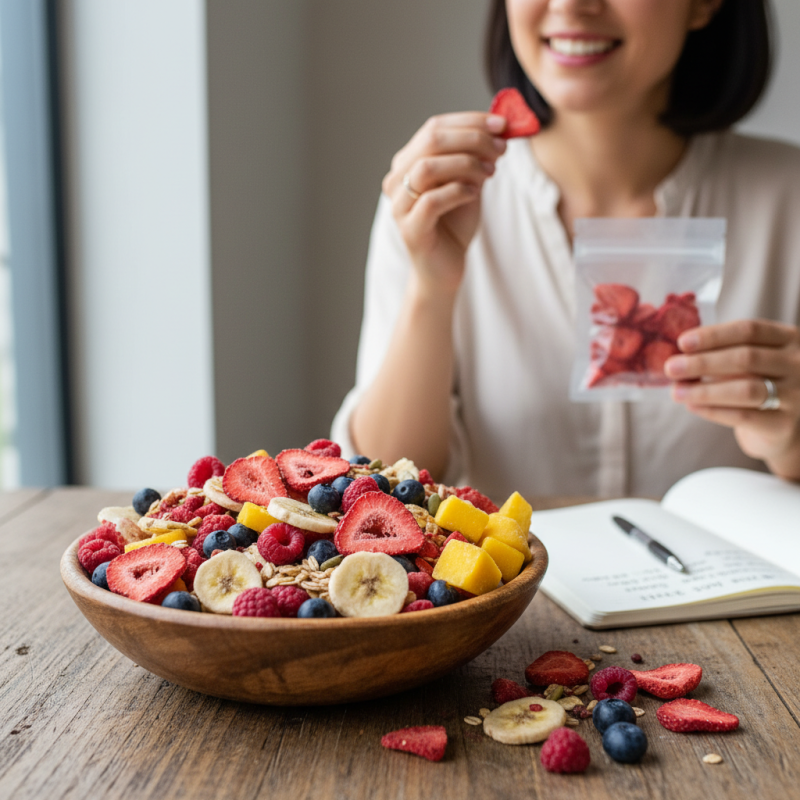
Benefits of Freeze-Dried Fruits Over Fresh Fruits in Nutrient Retention
Freeze-dried fruits offer a remarkable advantage over fresh fruits when it comes to nutrient retention. Research indicates that freeze-drying preserves 90-95% of the original nutrients in fruits. This method removes moisture while keeping vitamins and minerals intact. In contrast, fresh fruits can lose significant nutrients during transportation and storage. For example, vitamin C can degrade by as much as 50% in fresh produce within a few days.
The freeze-drying process involves quick freezing and then lowering the pressure to remove water. This technique helps maintain the fruit’s texture and flavor. A study published in the Journal of Food Science showed that freeze-dried strawberries retained over 75% of their antioxidant levels. In fresh fruits, antioxidants decrease rapidly as they age. This makes freeze-dried options appealing for health-conscious consumers looking for a convenient snack.
While freeze-dried fruits are nutrient-rich, they lack the hydration found in fresh varieties. This can be a drawback if one prefers juicy textures. Some may find the taste concentrated, perhaps too intense for their liking. It’s worth reflecting on whether the convenience of freeze-dried options aligns with personal taste preferences. Overall, they provide a suitable alternative for those seeking nutritional benefits in their snacking habits.
Nutritional Profile Comparison: Freeze-Dried Fruits vs. Other Snack Options
Freeze-dried fruits offer a unique snacking experience. Their vibrant colors and proper packaging can catch anyone's attention. Nutritionally, they retain much of the goodness found in fresh fruit. Many people don't realize this. After the freeze-drying process, they maintain vitamins and minerals effectively. This means a healthier snack compared to common options like chips or candy.
In contrast, snacks like potato chips often come with high salt and fat content. These can contribute to unhealthy snacking habits. Similarly, traditional dried fruits can be overloaded with added sugars. This alters their nutritional profile, making them less desirable. Freeze-dried fruits, however, contain no added sugars. This makes them an excellent choice for those watching their sugar intake.
It's essential to recognize potential downsides too. Some may find freeze-dried fruits less satisfying due to their texture. They can be crunchy, which differs from the chewiness of fresh fruit. Moreover, they might not provide the same feeling of fullness. It's helpful to pair them with protein-rich snacks for a more balanced option. All in all, considering these factors helps make an informed decision for healthier snacking.
Statistics on Consumer Preference for Freeze-Dried vs. Traditional Snacks
Freeze-dried fruits are gaining popularity among health-conscious consumers. Statistics show a significant shift in snack preferences. A recent survey revealed that 65% of respondents prefer freeze-dried snacks over traditional options. The flavor, crunch, and portability of freeze-dried fruits appeal to many. People often seek healthier choices, and this trend highlights a growing awareness.
In another report, 70% of consumers believe freeze-dried fruits retain more nutrients compared to regular dried fruits. This perception drives sales in health food stores. Additionally, 40% of snackers expressed concern over added sugars in traditional snacks. The demand for natural, wholesome snacks is clear. However, some may overlook the caution about the nutritional density of freeze-dried products.
Interestingly, while many embrace freeze-dried fruits, misconceptions persist. Some think all freeze-dried snacks are equally healthy. In reality, preparation methods vary. Not all freeze-dried options provide the same health benefits. Consumers should scrutinize labels more closely. Understanding the differences can enhance informed choices.
Shelf Life and Storage Advantages of Freeze-Dried Fruits for Healthy Eating
Freeze-dried fruits have gained popularity for their extended shelf life and storage benefits. Unlike fresh fruit, which can spoil within days, freeze-dried fruits can last for years when stored properly. According to market reports, freeze-dried products can maintain quality for five to 25 years. This makes them a practical choice for busy lifestyles and outdoor adventures.
Store freeze-dried fruits in a cool, dark place. Use airtight containers to keep moisture out. The process of freeze-drying removes up to 98% of water content, creating lightweight snacks. Many users enjoy these in trail mix or smoothies, where freshness matters. However, some might find them less appealing than fresh options, missing the crunch and juiciness.
Nutritional retention is impressive. In many cases, freeze-dried fruits preserve most vitamins. Studies indicate that freeze-drying maintains about 90% of original nutrients. But, there can be a trade-off with fiber content and taste, making it critical to choose wisely. Using freeze-dried fruits in daily snacks can enhance your diet, but it's essential to find the balance.
Impact of Freeze-Drying Process on Vitamin and Mineral Levels in Fruits
The freeze-drying process is fascinating. It removes moisture from fruits while maintaining their structure. This method involves freezing the fruit first and then reducing the pressure. As a result, water sublimates directly into vapor. Many people wonder what happens to vitamins and minerals during this process.
Interestingly, freeze-drying preserves many essential nutrients. Vitamins such as C, A, and several B vitamins remain stable. Minerals like potassium and magnesium also endure well. However, not everything is perfect. Some nutrient loss can occur. For instance, certain antioxidants may degrade. This poses questions about the ideal fruit preservation methods.
Incorporating freeze-dried fruits into daily snacks can enhance nutrition. These fruits maintain their vivid colors and flavors, enticing consumers. Yet, reliance on freeze-dried options alone may lead to dietary imbalances. Fresh fruits provide a different set of benefits. It’s essential to find a balance. The pursuit of healthy snacking should consider variety.
Why Choose Freeze Dried Fruits for Healthy Snacking?
| Fruit Type | Vitamin C (mg/100g) | Potassium (mg/100g) | Fiber (g/100g) | Caloric Value (kcal/100g) |
| Strawberries | 58 | 153 | 2 | 32 |
| Bananas | 8.7 | 358 | 2.6 | 89 |
| Apples | 4.6 | 107 | 2.4 | 52 |
| Mangoes | 36.4 | 168 | 1.6 | 60 |
| Blueberries | 9.7 | 77 | 2.4 | 57 |