Essential Tips for Agricultural Equipment Repair You Need to Know?
Agricultural equipment repair is a critical aspect of modern farming. According to the USDA, equipment downtime can cost farmers up to $1,000 per hour. This highlights the need for timely and effective repair strategies. Maintaining machinery is not just about fixing issues when they arise; it’s about implementing preventive measures that can prolong the lifespan of essential equipment.
In a world where the agricultural industry is increasingly reliant on technology, having a firm grasp on repair techniques is essential. Outdated practices can lead to inefficient repairs. The right knowledge and skills can reduce repair costs and enhance productivity. A report by Ag Equipment Intelligence noted that proper maintenance could save farmers up to 50% on long-term repair costs.
However, many farmers may overlook regular inspections. Emotional detachment can sometimes lead to missed warnings, which can exacerbate problems. Recognizing the signs that indicate a need for repair is vital. Increasing awareness and embracing best practices in agricultural equipment repair can help ensure the sustainability of farming operations.

Understanding Common Agricultural Equipment Issues
Agricultural equipment issues can significantly affect productivity. Common problems include engine failures, hydraulic leaks, and electrical malfunctions. A recent report indicates that over 30% of equipment downtime is caused by mechanical failures. Understanding these common issues is crucial for efficient repairs and minimizing downtime for farmers.
One common electrical issue is faulty wiring, which can lead to short circuits. Farmers should routinely inspect wiring for wear and tear. Another prevalent problem is engine overheating. Regular maintenance can prevent overheating, as around 50% of engines are prone to this issue without proper care. Keeping an eye on coolant levels and changing filters regularly can mitigate this risk.
Hydraulic systems are vital for many machines. A leak can reduce efficiency and lead to costly repairs. It’s estimated that hydraulic issues account for about 20% of total maintenance costs in agriculture. Identifying leaks early can save time and money. Farmers should regularly check hoses and connections, as small leaks can escalate quickly. Awareness and preventive measures can make a significant difference in managing equipment health.
Essential Tools for Effective Equipment Repair
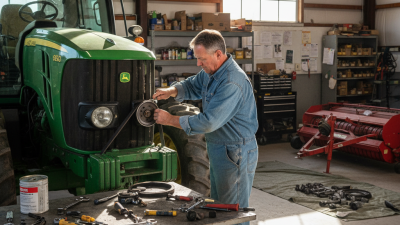
When it comes to agricultural equipment repair, having the right tools can make all the difference. Essential tools include wrenches, pliers, screwdrivers, and jacks. A reliable toolbox is vital for efficient repairs. Keep your tools organized and easy to access. This organization saves time during urgent fixes.
Regular maintenance is crucial. Make it a habit to inspect your equipment weekly. Look for loose bolts or worn belts. These small checks can prevent bigger issues later on. Understanding how each piece of equipment works helps in diagnosing problems effectively. Knowledge brings confidence in repairs.
Another important aspect is safety. Always wear appropriate gear, like gloves and goggles. It’s easy to overlook safety in the rush to repair. Reflect on past mistakes to improve future practices. Encourage your team to prioritize safety as well. Familiarity with tools and procedures enhances overall efficiency in your farming operations.
Step-by-Step Troubleshooting Techniques
Troubleshooting agricultural equipment requires a methodical approach. Start by identifying the symptoms. Is the engine not starting? Are there unusual noises? Document your observations. This can guide you through the repair process.
Check fuel levels and connections while ensuring that safety precautions are taken. Look for leaks or damaged hoses. Keep a toolkit handy, filled with basic tools like wrenches and screwdrivers. This allows for quick fixes when needed. Record all findings for future reference.
Don't hesitate to seek advice. Engaging with knowledgeable peers can provide insights that may lead to solutions. However, reflection is crucial. Analyze each repair and think about what could have been improved. Learning from each experience builds expertise over time. Embrace the process.
Essential Tips for Agricultural Equipment Repair: Step-by-Step Troubleshooting Techniques
Preventive Maintenance Strategies for Longevity
When it comes to agricultural equipment, preventive maintenance is crucial. Regular checks can identify issues before they escalate. Many operators overlook simple tasks, like lubricating moving parts. This oversight can lead to unnecessary wear and tear. Consistent maintenance extends equipment life and saves money in the long run.
Creating a maintenance schedule can help. A checklist ensures you don't miss critical steps. Cleaning filters and inspecting hoses should be standard practices. Additionally, keeping an eye on tire pressure and fluid levels can prevent breakdowns. However, it's easy to forget these details during busy seasons. Being diligent about these tasks helps avoid costly repairs later.
It's important to reflect on your maintenance practices. Are you truly dedicating enough time? Equipment downtime can disrupt operations and cause financial strain. Take the time to audit your current strategies. Being proactive rather than reactive will help maintain your equipment's reliability and longevity, ultimately leading to better productivity.
Essential Tips for Agricultural Equipment Repair You Need to Know? - Preventive Maintenance Strategies for Longevity
| Tip Number |
Maintenance Strategy |
Frequency |
Benefits |
| 1 |
Regular Oil Changes |
Every 100 hours of use |
Enhances engine performance and extends lifespan |
| 2 |
Check Hydraulics |
Monthly |
Prevents leaks and maintains lifting capacity |
| 3 |
Inspect Tires |
Weekly |
Ensures proper traction and fuel efficiency |
| 4 |
Sharpen Blades |
Every season |
Improves cutting efficiency and reduces strain |
| 5 |
Battery Maintenance |
Every month |
Extends battery life and ensures reliable starts |
When to Seek Professional Help for Repairs
Understanding when to seek professional help for agricultural equipment repairs can save time and money. According to the American Society of Agricultural and Biological Engineers, nearly 60% of equipment failures stem from improper maintenance. Simple issues like a worn-out belt or a clogged filter often turn into costly repairs when not addressed promptly. Farmers should routinely check equipment, looking for signs of wear and tear. Missing these signs may lead to bigger problems down the road, necessitating professional intervention.
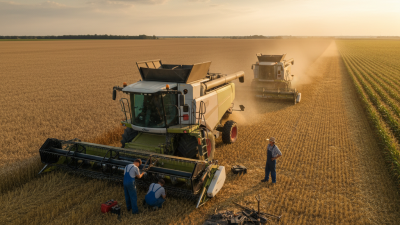
At times, the complexity of certain repairs can overwhelm even experienced operators. For instance, diagnosing electrical issues in harvesters demands specialized knowledge. Statistics from the Agricultural Equipment Industry show that 30% of farmers prefer to call technicians for intricate problems. Their expertise helps ensure safety and effectiveness. Additionally, many farmers experience time pressure during peak seasons, making it more practical to rely on professionals for timely repairs. Recognizing when to let go can significantly impact productivity. Ignoring clear signs of malfunction could lead to extended downtimes.