How to Choose the Best Computer Controlled Lathe for Your Needs?
In today’s manufacturing landscape, the significance of a Computer Controlled Lathe cannot be overstated. According to a market analysis by Research and Markets, the global CNC lathe market is projected to grow steadily, driven by advancements in automation and precision engineering. These computer-controlled machines have transformed the way components are manufactured, enhancing efficiency and accuracy.
Selecting the right Computer Controlled Lathe for your specific needs is crucial. Various factors come into play, including the machine's capabilities, size, and software compatibility. Industry experts highlight that understanding your production requirements can make a significant difference in operational success. However, many businesses struggle with this decision, often leading to underutilization of potential features or overspending on unnecessary capabilities.
Every operation is unique, and what works well for one might not suit another. It's essential to approach this choice with careful consideration and a clear understanding of your business goals. Data from the National Institute of Standards and Technology indicates that companies that optimize their equipment choices see up to a 25% increase in productivity. Hence, investing time in researching the best Computer Controlled Lathe can yield substantial long-term benefits.
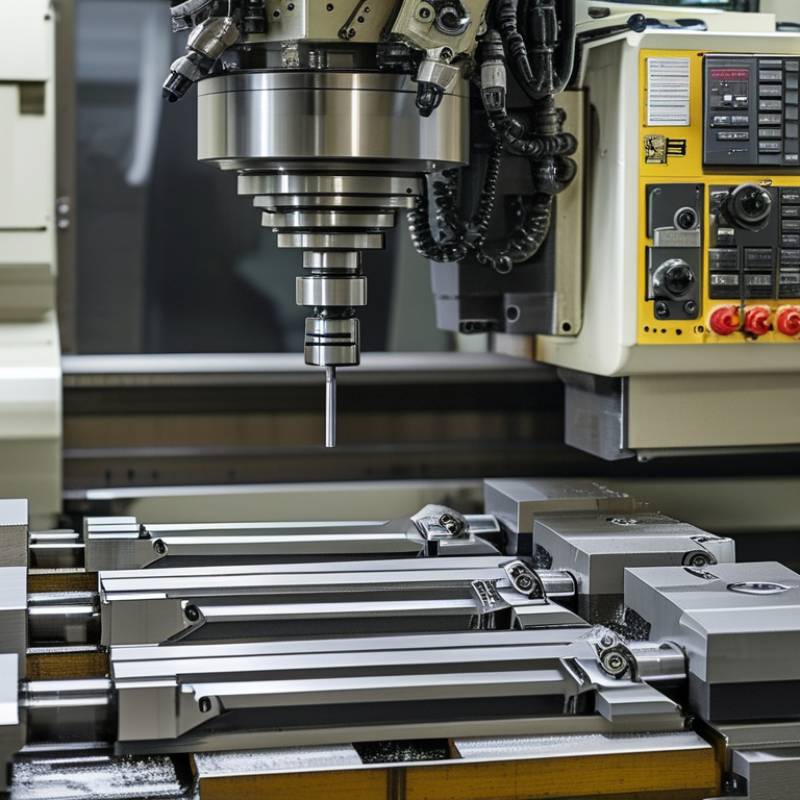
Understanding the Different Types of Computer Controlled Lathes
When exploring computer-controlled lathes, understanding the types available is crucial. Three primary categories are CNC lathes, semi-automatic lathes, and manual lathes with digital controls. Each type has unique features and capabilities tailored for distinct applications.
CNC lathes are ideal for precision work. They offer high automation levels, making them suitable for complex parts. Semi-automatic lathes serve as a bridge between manual and fully automatic versions. They require some operator input but streamline many processes. Manual lathes with digital controls provide basic CNC functionalities. They are often more affordable and suitable for smaller workshops.
Choosing the right lathe means assessing your specific needs. Budget, production volume, and skill level matter. If precision is a top priority, a CNC lathe may be the best fit. For those just starting, a semi-automatic or manual lathe might be more appropriate. Reflect on your long-term goals, as this decision impacts your workshop's efficiency and output quality. Understanding these types can lead to more informed choices.
How to Choose the Best Computer Controlled Lathe for Your Needs? - Understanding the Different Types of Computer Controlled Lathes
| Type of Lathe | Features | Ideal For | Price Range |
| CNC Lathe | High precision, multi-axis capabilities, automated tool changers | Mass production, complex parts manufacturing | $10,000 - $300,000 |
| CNC Mini Lathe | Compact size, basic CNC features, suitable for small workpieces | Hobbyists, small projects | $300 - $2,000 |
| CNC Multi-Tasking Lathe | Combines turning and milling, enhanced productivity | Complex manufacturing environments | $15,000 - $500,000 |
| CNC Turning Center | Integrated loading system, capable of running multiple programs | High-volume production of cylindrical parts | $20,000 - $400,000 |
| CNC Toolroom Lathe | Manual operation with CNC capabilities, versatile | Tooling shops, precision machining | $5,000 - $25,000 |
Assessing Your Specific Needs and Requirements
When selecting a computer-controlled lathe, it's essential to assess your specific needs and requirements. Understanding your machining tasks is crucial. For instance, if you plan to work on intricate designs, a lathe with advanced CNC capabilities will be vital. According to industry reports, approximately 70% of manufacturers favor machines that offer precision and versatility in their operations.
Consider the materials you will frequently work with. Different lathes excel at handling various materials, such as metals or plastics. If you’re mostly dealing with titanium, for example, choose a lathe with higher torque and rigidity. The National Association of Manufacturers indicates that over 60% of production inefficiencies stem from equipment not suited for specific tasks.
Budget constraints also play a significant role. You might find the best lathe but struggle with operating costs. Frequent maintenance can also be a hidden expense. Many operators overlook this aspect, which can lead to production delays. Researching total cost of ownership is invaluable, as industry studies show that machinery under continuous operational stress can increase maintenance costs by up to 20%.
Key Features to Consider in a Lathe Machine
When selecting a computer-controlled lathe, understanding key features is crucial. Precision is paramount. A lathe with high accuracy ensures your projects meet specifications. According to a 2022 industry report, machines with less than 0.01 mm tolerance are preferred in professional settings. This tolerance level significantly impacts production efficiency and product quality.
Next, consider the machine's control interface. Intuitive software can drastically reduce training time. A report revealed that users can improve productivity by 25% with user-friendly controls. Additionally, check the machine's speed range. A versatile speed range accommodates different materials, from soft metals to harder materials like titanium. Flexibility is a common need across various industries.
Lastly, don't ignore customer support and service availability. Machines may require maintenance or updates. A report indicated that companies with strong customer support experience 40% less downtime. Investing in a lathe with reliable support is just as important as the machine's features. Features matter, but after-sales care can determine long-term satisfaction.
Key Features to Consider in a Computer Controlled Lathe
Evaluating the Brand Reputation and Customer Support
When selecting a computer-controlled lathe, brand reputation plays a crucial role. A reliable brand often indicates a commitment to quality and innovation. Customers frequently share their experiences online. Reading reviews can provide insights into the performance and durability of various models. Look for consistent praise and feedback. This will help you gauge how well a brand performs over time.
Customer support is another vital factor. A good support team should be accessible and responsive. They should assist with setup, maintenance, and troubleshooting. Delays in response can lead to frustration. A manufacturer’s willingness to offer guidance can significantly influence your experience. Investigate how others felt about their interactions with support teams. Positive feedback can assure you that help is just a call away.
Remember, not all brands will meet your expectations. Some may promise great features but fall short in practice. It’s essential to weigh any negative feedback carefully. A singular bad review might not paint the full picture. Consider the overall trend. Make an informed decision based on a wide range of opinions and experiences.
Tips for Comparing Prices and Warranty Options
When selecting a computer-controlled lathe, comparing prices and warranty options is essential. Price can vary greatly among models, so understanding your budget is crucial. Low-priced options may seem attractive, but they might lack advanced features or durability. Spending a bit more can yield better quality and longevity.
Tip: Always check if the price includes essential accessories. Some sellers may offer a low base price but charge extra for tools that you’ll need. Examine what’s included in the package carefully.
Warranty options can tell you a lot about a product’s reliability. A longer warranty suggests a manufacturer’s confidence in their lathe. However, not all warranties are created equal. Some cover only parts, while others include labor. Review the terms closely to avoid future surprises.
Tip: Read customer reviews about warranty experiences. Users often share how companies handle claims. Their insights can guide your decision-making process. Being diligent now can save you from costly repairs later.