How to Choose the Best Double Wire Panel for Your Fence?
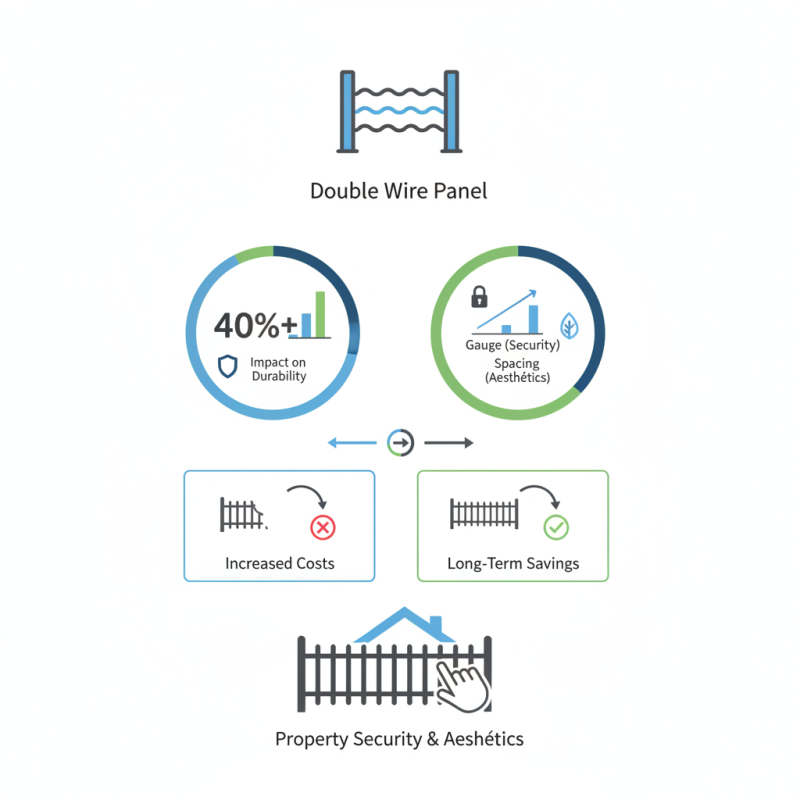
Choosing the right double wire panel for your fence can be a challenging task. The industry shows that quality varies significantly among manufacturers. According to a recent study by the Fencing Industry Association, selecting the right materials can impact durability by over 40%. This is crucial information for homeowners and contractors alike.
Expert John Schneider, a leading figure in fencing solutions, states, “The right double wire panel can transform not just your property’s security but also its aesthetics.” His insight highlights the importance of finding a balance between functionality and appearance.
When assessing double wire panels, consider the gauge of the wire and the spacing of the mesh. A panel that is too thin may not provide adequate security. Conversely, overly thick wire can compromise aesthetic appeal. Reflecting on these details can lead to better choices. It’s vital to avoid common pitfalls, as the wrong panel can lead to increased costs in the long run.
Understanding Double Wire Panels: Key Features and Benefits
Double wire panels are popular for fencing due to their strength and durability. These panels consist of two horizontal wires that provide extra reinforcement. This design offers enhanced security while maintaining visibility. The gaps between wires are also narrow enough to keep pets and small animals contained.
When choosing a double wire panel, consider the wire thickness. A thicker gauge often indicates improved strength. However, thinner options can be more budget-friendly. Evaluate your fencing needs carefully. If you require maximum security, opt for a heavier option.
Tips: Always check the panel height. Taller panels offer better protection against intruders and wandering animals. Additionally, consider the spacing of the vertical posts. Closer spacing will provide a sturdier fence but may increase costs.
Remember, double wire panels may not be suitable for every setting. Reflect on the aesthetic aspect as well. A more industrial look may not suit a residential area. Analyze your surrounding environment before making a decision.
Evaluating Material Quality: Steel Grades and Coatings Explained
When choosing a double wire panel for your fence, focusing on material quality is crucial. Steel grades and coatings can greatly impact durability. Look for panels made from high-carbon steel, as they offer better strength. Lower-grade options might save you money, but their longevity is often compromised.
Galvanization is another important factor. It protects against rust and corrosion. A well-coated panel will endure harsh weather far better than one that lacks proper treatment. Remember that not all coatings are equal. Some may wear off quickly, leading to potential maintenance issues down the road.
Tips: Always inspect the gauge of the wire. Thicker wire means a sturdier fence. If you want more longevity, consider panels with a powder-coated finish. Check for any rough edges or defects. Minor imperfections may seem trivial but can affect overall performance. A careful inspection now can save you hassles later.
Material Quality Comparison of Double Wire Panels
This chart compares the tensile strength of various grades of steel used in double wire panels for fencing. Higher tensile strength indicates better durability and resistance to bending or breaking, which are critical attributes when choosing the right material for fencing needs.
Determining the Appropriate Wire Thickness for Fence Durability
When selecting a double wire panel for your fence, wire thickness significantly impacts its durability. The American Society for Testing and Materials (ASTM) recommends considering wire gauges from 14 to 10 for optimal strength. A thicker wire typically offers better resistance to bending and breaking. For example, a 14-gauge wire can handle more stress than a 16-gauge counterpart.
Many users overlook the effect of environmental factors on wire durability. Areas with heavy wind or snow loads require thicker wire to maintain structural integrity. A study from the National Association of Fencing indicates that panels with 12-gauge wires show less deformation under similar stress conditions. Choosing a wire thickness suitable for your specific environment is crucial.
It’s also essential to evaluate the long-term benefits of thicker wires. Thicker wires tend to last longer, even in harsh weather. However, they can be more cumbersome to install and transport. Users may find themselves wishing they had opted for a lighter product. Balance between ease of installation and durability is essential when making your choice.
Assessing Panel Heights and Styles for Security Needs
When assessing panel heights for security needs, consider your property's specific vulnerabilities. Taller panels generally offer better protection against intruders. Standard heights vary from 4 to 8 feet. A panel that is too short may not deter unwanted access. Think about visibility and surrounding landscaping, as these elements can influence security.
Panel style also plays a crucial role. Opt for designs that are difficult to climb or cut through. Choosing a double wire panel means durability and resistance to bending. Additionally, the spacing between wires matters. Narrow gaps can prevent intruders from squeezing through.
Evaluate the aesthetic appeal too. A panel that blends well with the environment can enhance your landscape. It doesn't have to look purely utilitarian. However, balance between security and style is essential. A striking fence might attract attention, but it also needs to maintain your safety. Choose wisely, as your fence is a long-term investment.
How to Choose the Best Double Wire Panel for Your Fence? - Assessing Panel Heights and Styles for Security Needs
| Panel Height (ft) | Panel Style | Security Level | Common Uses |
| 4 | Standard Double Wire | Moderate | Residential Gardens |
| 5 | V-Shaped Double Wire | High | Commercial Properties |
| 6 | Security Double Wire | Very High | Industrial Areas |
| 8 | Customized Double Wire | Extreme | Data Centers |
Comparing Cost-Effectiveness: Installation and Maintenance Considerations
When choosing a double wire panel for your fence, cost-effectiveness is crucial. Installations often range from $3 to $6 per linear foot, depending on materials and labor. A recent industry report indicates that professional installation can add 30% to overall costs. Knowing these figures helps in budgeting accurately.
Maintenance is another factor. Double wire fences are designed to last, but they do require upkeep. Regular inspections are vital. If not checked, rust can develop, leading to expensive repairs. A survey conducted by the Fence Contractors Association noted that neglected fences can incur costs that exceed initial installation prices by 50%.
Investing in a quality double wire panel can save money over time. However, it's essential to weigh initial costs against potential long-term maintenance. Ultimately, comparing these aspects helps in making an informed decision. Don’t overlook hidden costs.