How to Choose the Best Agriculture Farm Equipment for Your Needs?

Choosing the right agriculture farm equipment is essential for modern farming efficiency. According to a report by the Food and Agriculture Organization (FAO), effective equipment can boost productivity by up to 30%. However, farmers often struggle with selecting the best tools for their specific needs. This challenge can lead to overspending or underperformance.

Farm equipment varies widely, from tractors to irrigation systems. Understanding the unique requirements of your farm is crucial. For example, a small organic farm may need different machinery compared to a large-scale grain operation. Investing in the wrong equipment can hinder growth and sustainability, making choices even more impactful.

Moreover, technological advancements continually reshape the agriculture landscape. Innovations such as precision farming tools enhance resource use. Yet, new technology can also overwhelm those unfamiliar with it. Evaluating options based on specific goals and farm conditions is vital. Balancing cost, utility, and innovation will lead to informed decisions in choosing agriculture farm equipment.
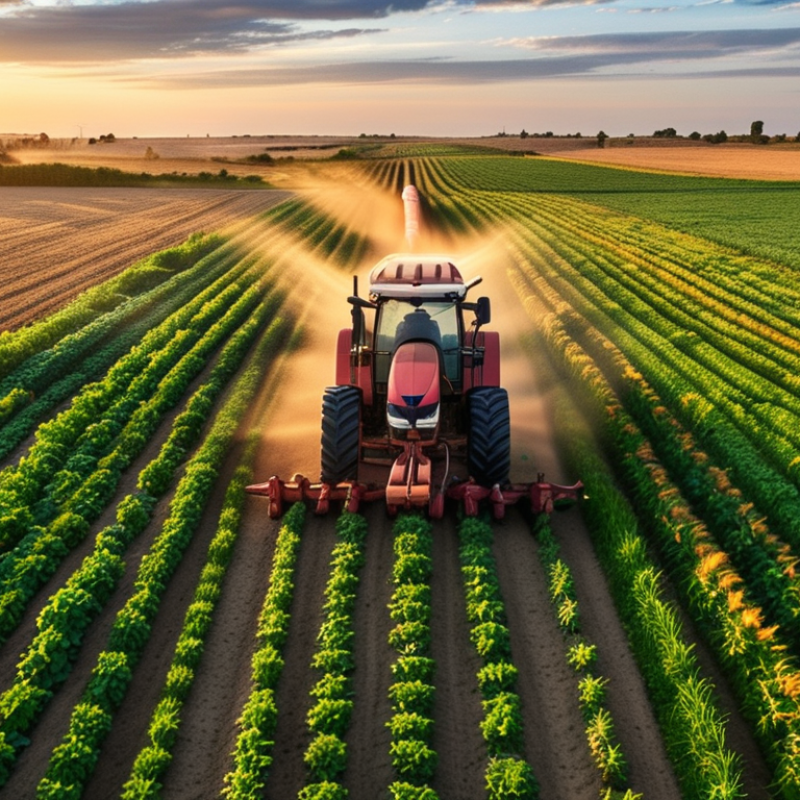
How to Choose the Best Agriculture Farm Equipment for Your Needs?

Identifying Your Specific Agricultural Needs and Goals

Identifying your specific agricultural needs and goals requires careful consideration and planning. Begin by evaluating your farm's size and the types of crops or livestock you manage. Each operation has unique requirements. For instance, a small vegetable farm may need different equipment than a large grain operation. Get input from your team to capture varied perspectives, some may see needs that you might overlook.

Next, reflect on your long-term goals. Are you aiming for organic farming? High efficiency? Focused on sustainability? These factors will heavily influence your equipment choices. For example, an emphasis on sustainability may lead to the selection of precision tools that minimize waste. Consider also the budget constraints you face. A high-end piece of machinery may be appealing, but can it be sustained over the long term? It’s important to weigh performance against costs.

Additionally, think about maintenance and support. Equipment that requires constant service can disrupt your workflow. Seek equipment that has reliable service options nearby, as downtime can be costly. Remember, your choices should align with your mission. Reflect on past decisions, and don’t be afraid to adjust your plans based on what you learn along the way. Make sure your equipment truly meets your evolving needs.
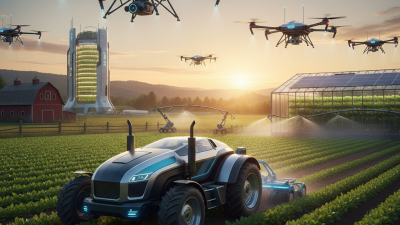
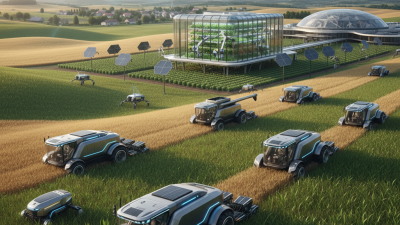
Understanding Different Types of Farm Equipment and Their Uses

Choosing the right farm equipment can significantly impact your agricultural productivity. Understanding the different types of equipment is crucial. Tractors are foundational for any farm. They assist in various tasks, from plowing to hauling materials. A well-maintained tractor can enhance efficiency, but neglect can lead to costly repairs.

Another essential type is planting equipment. Seed drills and planters help ensure seeds are placed precisely. This precision can influence crop yield. However, using the wrong type of planter may result in uneven seeding. Be mindful of the equipment's capacity and match it with your farm size.

Cultivation tools, like harrows and tillers, are vital for soil preparation. They break up soil to promote aeration and water retention. Yet, not every farm requires the same cultivation depth. Assess your soil conditions before investing.

Lastly, consider harvesting equipment. Combine harvesters streamline the process but require significant investment. Weigh the benefits against your expected harvest size.

Evaluating Equipment Features: Size, Capacity, and Technology

Choosing the right agriculture farm equipment requires careful consideration of size, capacity, and technology features. The right size enhances efficiency. For instance, according to a report by the American Society of Agricultural and Biological Engineers, equipment that is too large for the intended land can lead to soil compaction. It is critical to match equipment dimensions to the farm's scale.

Capacity matters significantly. The machinery should handle your current workload without excessive downtime. Research indicates that improperly sized equipment can reduce productivity by up to 30%. Identify your average acreage and the specific tasks at hand to find optimal capacity. A personal reflection on past experiences can reveal how misjudgments in size or capacity hindered farming efforts.

Technology plays a pivotal role in modern agriculture. Advanced features like precision farming tools enhance productivity. Reports have shown that farms utilizing smart technology improve yield by approximately 20%. Consider the long-term benefits of investing in innovative solutions. However, it is essential to regularly evaluate whether these technologies align with evolving farming practices and your specific needs.

Analyzing Budget Considerations and Financing Options

When considering agriculture farm equipment, budget becomes a crucial factor. Setting a clear budget allows you to prioritize essential tools. Compare prices for new and used equipment. Sometimes, pre-owned items are a smart choice. They can provide significant savings while remaining functional.

Financing options also play a key role. Many agricultural suppliers offer financing plans. These plans can ease the financial burden of purchasing new machinery. Ensure you read the fine print before committing to a deal. Some farmers may overlook maintenance costs. Over time, these expenses can add up significantly and strain your budget.

Assess the long-term benefits of your purchases. Cheaper equipment may lead to higher repair costs later on. Think about how often you'll use the equipment, too. What seems like a deal today may not serve your needs down the road. Make informed decisions that keep your operations running smoothly.

Cost Analysis of Different Agriculture Farm Equipment

This chart displays the average costs of various types of agriculture farm equipment. Understanding these costs can help in making informed decisions when budgeting and exploring financing options for agricultural ventures.

Researching Brands and Reviews for Reliable Equipment Choices

When selecting agricultural farm equipment, thorough research is crucial. Start by exploring various brands. Look for companies renowned for reliability and durability. User-generated reviews can offer real-life insights. Pay attention to the experiences of other farmers. Their feedback can highlight both strengths and weaknesses of equipment.

Consider reaching out to online forums dedicated to farming. These platforms often provide firsthand accounts. You may discover lesser-known brands that offer exceptional quality at competitive prices. Don't rely solely on promotional materials. Seek honest opinions to ensure you make informed choices.

Reflect on your own needs. Each farm has unique requirements. Equipment that works well for one operation may not suit another. Assess your land, crop types, and specific tasks before making a decision. Investing time in research pays off. A well-informed choice leads to better outcomes in the field.