China Best Organic Dandelion Extract Supplier

Choosing China’s best organic dandelion extract supplier requires more than comparing prices. Organic Dandelion Extract may come from roots, leaves, or whole plants. Each source can create different flavors, colors, and active compound profiles. A reliable supplier should explain the botanical identity, growing region, harvest season, and extraction process. These details connect the powder in a sample bag with the fields where the dandelions grew.

The strongest suppliers provide practical evidence, not vague promises. Look for batch-specific certificates of analysis, pesticide screening, heavy metal results, microbiological testing, and solvent residue reports. Organic certification should also match the regulations of the target market. Certification names alone are not enough. Buyers should verify issuing bodies, certificate numbers, and product scope. Manufacturing records, traceability procedures, and controlled storage conditions can reveal valuable experience. A clean factory visit, when possible, adds another layer of confidence.

Still, no supplier is perfect. Documents may be complete, while communication remains slow. A sample may perform well, but later batches need careful comparison. This is where professional evaluation matters. Review extraction ratios, carrier ingredients, moisture levels, packaging, and shelf-life data before making a long-term decision. Experienced suppliers usually welcome technical questions and explain limitations clearly. That honesty is important. It shows reliability beyond sales language. This guide introduces practical ways to assess Chinese suppliers, compare product quality, and select Organic Dandelion Extract with greater confidence. The final choice should remain evidence-based, transparent, and suitable for the intended application.
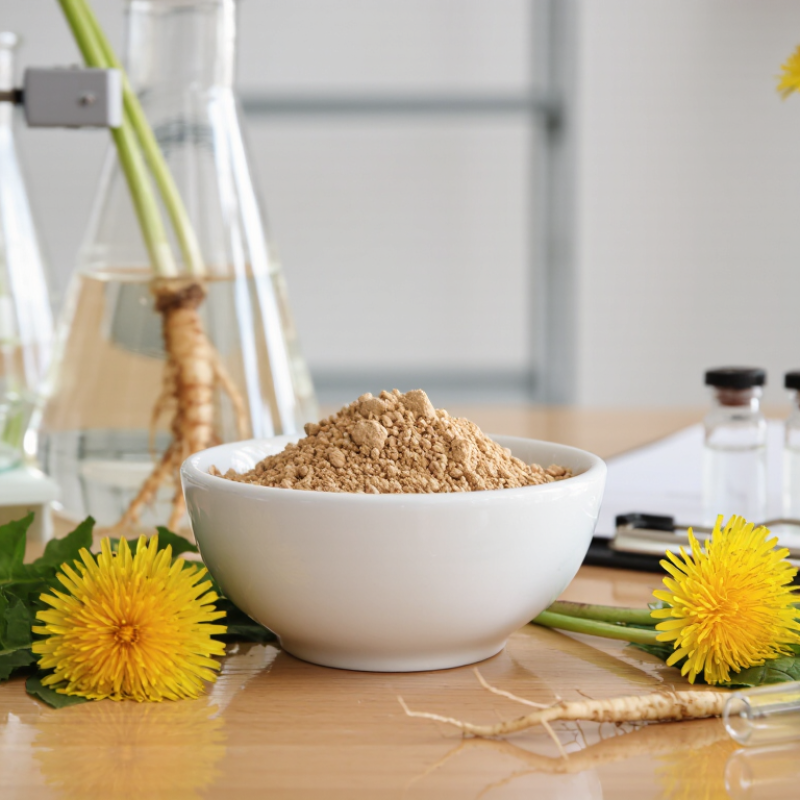
China Best Organic Dandelion Extract Supplier

What Is Organic Dandelion Extract?

Organic dandelion extract is a concentrated preparation made from organically cultivated Taraxacum officinale. It may come from roots, leaves, flowers, or a defined blend. The plant is washed, dried, and processed with water, ethanol, or another permitted extraction medium. The chosen method affects color, aroma, solubility, and the compounds retained. A root extract may look deep brown and taste earthy. A leaf extract is often lighter and more bitter. “Organic” describes production and handling standards, not a guaranteed health outcome. That distinction matters.

In practical quality work, reliable extract evaluation begins with traceability. A supplier should identify the plant part, cultivation region, extraction ratio, lot number, and processing date. Testing may check identity, moisture, microbial limits, heavy metals, pesticide residues, and solvent residues. Certificates should match the actual batch, not a generic file. Appearance alone can mislead; two powders may look similar while differing in strength and purity. The term standardized also requires careful review. It should identify the measured compounds and testing method. Organic dandelion extract may suit teas, capsules, powders, or formulation research, depending on its specifications. It is not automatically suitable for every person or application. More questions are useful.

Key Benefits and Active Compounds of Dandelion Extract

China Best Organic Dandelion Extract Supplier

Dandelion extract contains several compounds that shape its nutritional and botanical value. Inulin, a soluble fiber, may support beneficial gut bacteria and digestive balance. However, its effect can vary with extraction method and personal tolerance.

Flavonoids and phenolic acids provide antioxidant activity in laboratory testing. Sesquiterpene lactones contribute to dandelion’s characteristic bitter taste. Traditional herbal practice often uses dandelion for gentle digestive and urinary support. These uses should not be presented as cures or replacements for medical treatment. The root and leaf also differ in mineral content, flavor, and active compound levels.

Reliable organic sourcing requires more than a clean-looking powder. Experienced suppliers should verify botanical identity and test each batch for pesticides, heavy metals, microbes, and moisture. Extraction temperature matters. Excessive heat may reduce the stability of certain compounds. A careful supplier should also report the plant part, extraction ratio, and testing date. Details matter.

One practical weakness remains. Natural extracts rarely show identical profiles across every harvest. Soil, rainfall, storage, and processing can change the final composition. For this reason, transparent specifications are more useful than impressive promises. Some users may experience digestive discomfort, especially with concentrated inulin. Qualified professionals should review individual use, allergies, and possible medicine interactions.

China Best Organic Dandelion Extract Supplier - Key Benefits and Active Compounds of Dandelion Extract

Category Plant Part or Extract Feature Key Active Compounds Typical Functional Interest Evidence Status Quality and Formulation Notes
Botanical identity Dandelion, Taraxacum officinale F.H.Wigg. Whole herb, leaf, root, or root-and-leaf preparations Provides a botanical source of phenolic compounds, flavonoids, sesquiterpene lactones, triterpenes, minerals, and carbohydrates. Botanical identity should be confirmed by macroscopic, microscopic, chromatographic, or DNA-based methods. Raw material documentation should specify the accepted Latin name, plant part, harvest conditions, and extraction ratio.
Root composition Dandelion root extract Inulin, fructooligosaccharides, phenolic acids, sesquiterpene lactones, and triterpenes Root preparations are commonly selected for digestive and prebiotic-oriented formulations because inulin is a fermentable fructan. Inulin is well characterized as a dietary fiber; specific health effects depend on dose, product composition, and individual tolerance. Inulin content can vary with harvest season, plant age, storage, and extraction method.
Leaf composition Dandelion leaf extract Chlorogenic acid, caffeic acid, chicoric acid, flavonoids, potassium, and other minerals Used in botanical products focused on antioxidant support and traditional urinary-system applications. Antioxidant activity is supported mainly by chemical and laboratory studies; it should not be presented as treatment for disease. Mineral levels may vary according to soil, cultivation practice, plant maturity, and processing.
Phenolic acids Leaf, root, and whole-herb extracts Chlorogenic acid, chicoric acid, caffeic acid, and ferulic acid Contribute to the extract’s phenolic profile and in-vitro radical-scavenging capacity. Phenolic content is commonly evaluated using HPLC or spectrophotometric methods; results are not equivalent across methods. A marker-based specification is preferable to relying only on total polyphenol values.
Flavonoids Primarily leaf and flower materials Luteolin, luteolin glycosides, apigenin derivatives, and quercetin glycosides Support the botanical extract’s overall polyphenol and antioxidant profile. Most evidence is preclinical or analytical; human clinical evidence for standardized dandelion extracts remains limited. Light, oxygen, heat, and moisture can affect the stability of some phenolic constituents.
Sesquiterpene lactones Especially associated with the root and latex Taraxacin, taraxacerin-related compounds, and eudesmanolide-type constituents Contribute to the characteristic bitter taste and are frequently used as chemical identity markers. Reported activities are mainly based on laboratory and traditional-use evidence rather than robust clinical trials. Bitter compounds may influence palatability and should be considered when developing beverages, capsules, or functional foods.
Triterpenes Root, leaf, and flower materials Taraxasterol, β-amyrin, and related pentacyclic triterpenes Contribute to the non-polar fraction of dandelion extracts and are useful for broader phytochemical profiling. Biological findings are predominantly preclinical and should not be converted into disease-treatment claims. Extraction solvent selection strongly affects recovery of triterpenes compared with phenolic or carbohydrate constituents.
Traditional benefit Leaf and root preparations Potassium-containing minerals, phenolic compounds, bitter principles, and other native constituents Traditionally used to support normal digestive function and urinary elimination. Traditional use does not establish clinical efficacy for a specific medical condition. Marketing language should remain consistent with applicable food, supplement, and botanical regulations.
Digestive support Root extract containing naturally occurring inulin Inulin and related fructan carbohydrates Inulin can be fermented by gut microorganisms and may support dietary-fiber intake. Individual responses vary; rapid increases in inulin intake may cause gas or abdominal discomfort in sensitive individuals. Declare the plant part and measure dietary fiber or inulin with a validated analytical method when making composition claims.
Antioxidant profile Leaf, flower, root, or whole-herb extract Phenolic acids, flavonoids, and other reducing compounds May contribute to in-vitro antioxidant capacity and help characterize the extract’s phytochemical richness. In-vitro antioxidant results cannot be directly interpreted as proven antioxidant effects in humans. Report the test method, reference standard, extract solvent, and dry-basis calculation for meaningful comparison.
Organic quality controls Certified organic dandelion raw material or extract Not a single active compound; quality depends on verified cultivation and processing controls Supports traceability and helps limit the use of prohibited synthetic pesticides and fertilizers where certification applies. Organic certification does not by itself guarantee a fixed concentration of active compounds or clinical efficacy. Request current certification, lot traceability, pesticide-residue testing, heavy-metal testing, microbial testing, and an ingredient-specific certificate of analysis.
Safety considerations All dandelion extract formats Multiple constituents; no single universal active marker applies to every extract Product suitability depends on extract concentration, plant part, dose, formulation, and user characteristics. Individuals with known Asteraceae allergies or certain medical conditions should seek professional advice before use. Supplier specifications should include allergen information, recommended use level, storage conditions, shelf life, and batch testing.

Note: The composition and activity of dandelion extract can vary substantially according to plant part, geographic origin, harvest stage, drying conditions, extraction solvent, and concentration ratio. The information above is intended for product-development and technical-reference purposes and does not replace medical advice.

How Organic Dandelion Extract Is Produced

China Best Organic Dandelion Extract Supplier

Organic dandelion extract begins with carefully identified roots, leaves, or whole plants. Suppliers should verify the botanical name and harvest location before processing. Certified organic farms avoid prohibited agricultural chemicals and maintain records from field to factory. Soil conditions matter. Dandelions grown near polluted roads may not meet quality expectations.

Fresh plant material is sorted, washed, and inspected for foreign matter. It is then dried under controlled temperatures to protect sensitive compounds. Excessive heat can darken the material and reduce its natural aroma. The dried plant is milled into a consistent powder. Water or food-grade ethanol may be used for extraction, depending on the desired profile and applicable organic standards. The liquid extract is filtered, concentrated, and spray-dried into a stable powder.

The process is not perfectly uniform. Harvest timing, moisture, and plant part can change the final color and taste. A darker batch is not automatically better. Reliable suppliers test identity, moisture, microbial limits, heavy metals, and pesticide residues through qualified laboratories. They also retain batch samples and provide traceable production records. In practical factory work, small differences often reveal larger process issues. Careful review is still necessary. Supplier documentation should match the actual material, certification scope, and intended use.

Quality Standards for a Reliable Dandelion Extract Supplier

China Best Organic Dandelion Extract Supplier

Quality Standards for a Reliable Dandelion Extract Supplier

A reliable organic dandelion extract supplier should show more than a polished product page. Their experience appears in clear botanical identification, controlled harvesting, and stable extraction methods. Each batch should include the plant part, origin, extraction ratio, and production date. Small details matter.

Organic certification must come from a recognized and verifiable authority. The supplier should also test for pesticides, heavy metals, microbial contamination, and unwanted solvents. A complete certificate of analysis should match the actual batch, not a generic sample. Independent laboratory testing adds useful credibility.

Traceability should reach from field records to sealed cartons. Ask how moisture, temperature, and packaging are controlled during storage. Consistent color is helpful, but it cannot prove quality alone. Reliable suppliers explain their specifications without avoiding difficult questions. They can provide samples for comparison and support reasonable audits.

No supplier is flawless. A missed documentation detail may reveal a weak system, even when the extract looks excellent. I would review corrective actions, not only impressive certificates. Communication speed also matters when specifications change. The best choice is not simply the lowest price or strongest claim. It is a supplier that can repeatedly prove what is inside each batch.

China Best Organic Dandelion Extract Supplier – Quality Standards for a Reliable Dandelion Extract Supplier

Nutritional reference values for raw dandelion greens per 100 g, useful as a botanical identity and quality benchmarking reference.

A reliable dandelion extract supplier should verify botanical identity, raw-material traceability, moisture, contaminants, pesticide residues, and standardized processing controls. The chart uses publicly available USDA FoodData Central reference values for raw dandelion greens; finished extract specifications should be confirmed through a certificate of analysis for each batch.

Source: USDA FoodData Central, raw dandelion greens, reference values per 100 g.

Why Choose a China-Based Organic Dandelion Extract Supplier?

Why Choose a China-Based Organic Dandelion Extract Supplier?

A China-based organic dandelion extract supplier can offer close access to established botanical cultivation areas. This proximity may shorten the distance between farms, extraction facilities, and export warehouses. Experienced suppliers often understand seasonal root quality, drying temperatures, and moisture control. These details affect color, aroma, solubility, and active compound levels. A reliable supplier should provide botanical identification, organic certification, pesticide testing, heavy metal results, and microbiological reports. Batch records also support traceability from harvested roots to finished powder.

China’s mature plant-extract industry can support flexible production quantities and customized specifications. Suppliers may offer different extract ratios, carrier options, mesh sizes, and packaging formats. Direct communication with technical staff can improve product development and reduce misunderstandings. Still, location alone does not prove quality. Some suppliers may present incomplete documents or inconsistent test data. Careful verification remains necessary. We have found that small details, such as sealed inner liners and controlled warehouse humidity, can influence product stability. Not every process works perfectly.

Tips: Request a recent certificate of analysis and confirm its batch number. Ask for the Latin plant name, extraction solvent, country of origin, and storage conditions. Review sample consistency after several weeks, not only on delivery day. An independent laboratory check may reveal differences between paper records and actual material. Clear specifications protect both sides.