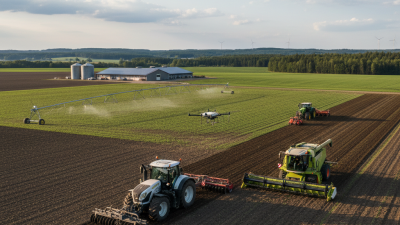
What is the Best Farm Equipment for Global Buyers?
In today's global agricultural market, selecting the right farm equipment is crucial for success. According to a recent report by the Food and Agriculture Organization, global agricultural productivity growth is slowing. This demands more efficient machinery. Farmers need reliable tools that enhance productivity while reducing operational costs.
Farm equipment encompasses a wide range of machinery designed for various agricultural tasks. From tractors to harvesters, each piece of machinery plays a vital role in modern farming. In the U.S. alone, the farm equipment market was valued at approximately $82 billion in 2021, showcasing its importance. However, with innovation comes challenge. The rapid pace of technological advancement can overwhelm traditional farmers.
Navigating the landscape of farm equipment is no small feat. Understanding the specific needs of crops and soil types is essential. Global buyers face the risk of investing in machinery that may not perform optimally. Careful research and consideration of local farming conditions can help mitigate such risks. Thus, selecting the best equipment is not just about current trends; it's a strategic decision that impacts future yields.
Overview of Global Farm Equipment Market Trends
The global farm equipment market is experiencing significant shifts driven by technological advancements and sustainability demands. The 2023 Global Agricultural Equipment Market Report indicates that the market size is projected to reach $164 billion by 2026, growing at a CAGR of 5.7%. This growth is attributed to the increasing adoption of precision farming techniques, which enhance efficiency and reduce resource wastage.
In regions like North America and Europe, farmers are increasingly investing in smart equipment. Such equipment leverages IoT and AI for real-time data analysis. The adoption rate of smart farming technologies has soared to around 40% in these areas. However, the shift towards automation presents challenges. Many smallholders find it hard to access this technology due to high costs. As a result, the gap between large agribusinesses and small farms could widen.
Sustainability is also at the forefront of market trends. Research shows that over 50% of farmers prioritize eco-friendly practices in their equipment choices. However, not all equipment on the market aligns with these values. This inconsistency can lead to confusion and ethical dilemmas for buyers. Balancing performance and sustainability remains a critical challenge in the agricultural sector.
Global Farm Equipment Market Trends
Essential Types of Farm Equipment for Different Agricultural Needs
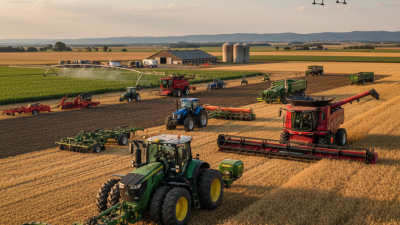
Farm equipment plays a vital role in modern agriculture. Different farming needs require specific tools. For row crops, tractors and plows are essential. They help prepare and cultivate the soil effectively. Farmers should look for equipment that matches their field size and crop type. However, not all machines are suitable for every condition. Soil type and weather can affect performance. A mismatch can lead to inefficiencies.
Irrigation systems are crucial for regions with less rainfall. Drip irrigation minimizes water waste while providing consistent moisture. Selecting the right irrigation system must consider crop needs and site geography. It’s easy to overlook these details, but they significantly impact yield. Unfortunately, some farmers may invest blindly without adequate research.
Livestock requires different equipment than crop farming. Feeders, waterers, and fencing are necessary for animal welfare. Each type should suit the specific livestock being raised. A common mistake is neglecting regular maintenance. Unmonitored equipment can lead to breakdowns, endangering animal health. Choosing reliable equipment requires careful thought and planning. Attention to specific agricultural needs can improve productivity and sustainability.
What is the Best Farm Equipment for Global Buyers?
| Equipment Type |
Primary Function |
Suitable Crops |
Key Features |
| Tractor |
Tillage and transport |
Cereal crops, Vegetables |
Versatile attachments, High horsepower |
| Plow |
Soil preparation |
All types of crops |
Multi-depth settings, Durable materials |
| Combine Harvester |
Harvesting grain crops |
Wheat, Corn, Soybeans |
High efficiency, Built-in grain storage |
| Seeder |
Planting seeds |
Vegetables, Grasses, Grains |
Accurate seed placement, Adjustable seeding rates |
| Sprayer |
Pesticide and fertilizer application |
Fruits, Vegetables, Field crops |
Variable rate application, GPS integration |
Factors Influencing the Selection of Farm Equipment by Global Buyers
When global buyers choose farm equipment, several critical factors shape their decisions. Understanding these factors can enhance the selection process. Buyers need to consider local agricultural practices. Equipment suitable for one region may not work well in another. Adaptability is key. Buyers should assess soil types, crop varieties, and climate conditions in their areas.
Cost is a significant consideration. Equipment can vary greatly in price. Buyers often seek a balance between quality and affordability. However, cheaper options may lead to higher maintenance costs in the long run. Reflection on total expenditure is essential. Buyers should also prioritize the availability of parts and service in their regions. Limited access could lead to prolonged downtime.
Buyers should seek advice from experienced farmers and equipment specialists. Gathering insights helps in making educated decisions. Visiting trade shows or workshops is also beneficial. Seeing equipment in action provides valuable perspective. Always remain open to adjusting choices based on new information. Evaluating feedback from peers can illuminate crucial aspects of equipment performance. This iterative process helps in achieving optimal results.
Innovative Technologies Impacting Modern Farm Equipment
Innovative technologies are transforming modern farm equipment, enhancing efficiency and productivity. Digital agriculture tools have emerged, utilizing sensors and data analytics. These tools help farmers make informed decisions about crop management and resource use. For instance, precision agriculture technology provides insights into soil conditions. This can lead to better yields and sustainable farming practices.
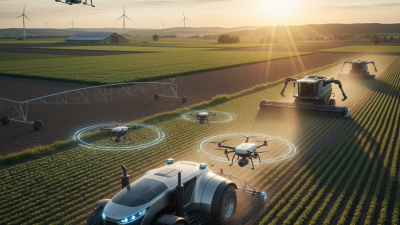
Automation is another key area of development. Autonomous tractors and drones are revolutionizing planting and harvesting processes. These machines can work longer hours and reduce labor costs. However, the reliance on technology poses challenges. Not all farmers can access these advancements, creating a gap in agricultural productivity.
Sustainability is at the forefront of equipment innovations. Eco-friendly tools are designed to minimize environmental impact while maximizing efficiency. Yet, the integration of such technologies requires investment and training. Farmers often face hurdles in adapting to these changes. The journey toward modernization is complex, with many factors to consider.
Sustainability Considerations in Farm Equipment Selection
When selecting farm equipment for sustainability, various factors play a critical role. Buyers should consider the lifecycle of the equipment. This includes not only the manufacturing process but also the fuel consumption during operation. Choosing equipment that is energy efficient reduces carbon emissions significantly.
Another important aspect is the material used in the equipment. Durable materials can extend the lifespan, minimizing waste and environmental impact. For example, metal parts may outlast plastic ones, contributing to less frequent replacements. The sourcing of materials also matters. Locally sourced materials reduce transport emissions, supporting local economies.
Maintenance practices should not be overlooked. Regular upkeep ensures equipment runs efficiently, lowering energy use over time. However, buyers must be realistic about their maintenance capabilities. Poor maintenance can negate environmental benefits. Reflecting on these considerations is essential for promoting a more sustainable agriculture industry.